
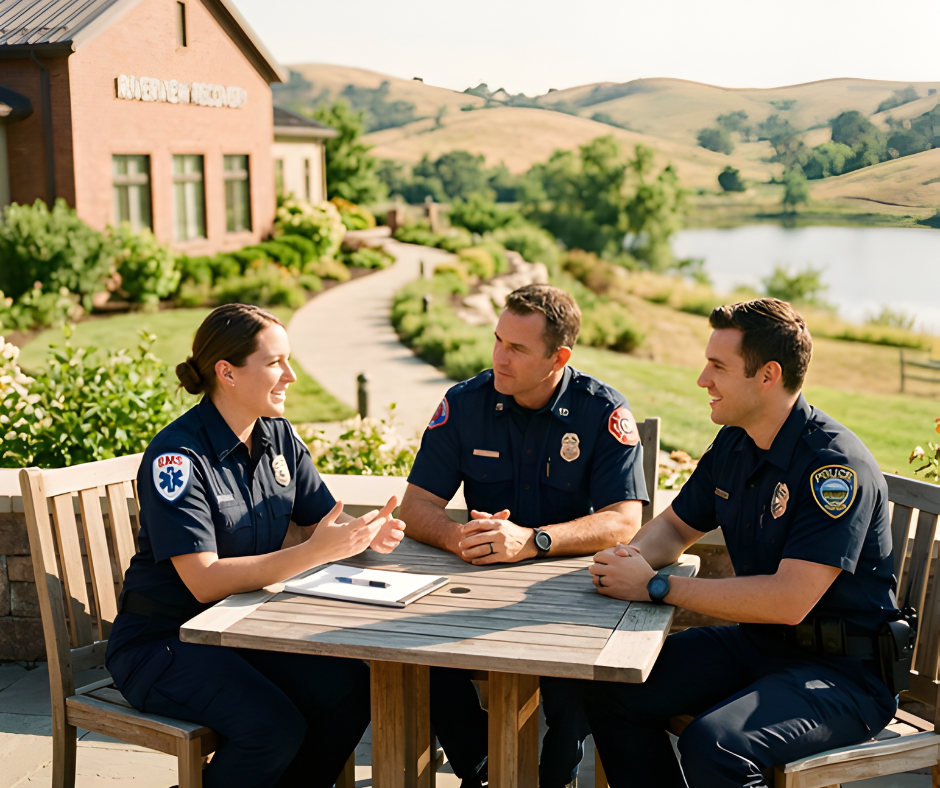
For over 50 years, the Livengrin Foundation has stood as a pillar of hope in Pennsylvania and the sur-rounding regions. We’ve seen thousands of individuals walk through our doors, but we recognize that those who wear the uniform: police officers, firefighters, and EMS professionals: carry a weight that is fundamentally different from the average civilian. When you spend your shifts navigating the worst days of other people’s lives, the toll it takes on your mental and physical health is profound.
If you are a first responder struggling with substance use, you aren’t just looking for a “way out.” You are looking for a way to reclaim your life without losing the career you’ve sacrificed so much to build. However, the path to recovery for public safety professionals is often hindered by common misconceptions and errors in choosing a treatment path.
Here are the seven most common mistakes first responders make when choosing a rehab center, and how you can ensure you get the specialized care you deserve.
1. Choosing a “General Population” Facility
The most frequent mistake is assuming that any reputable drug rehab or alcohol rehab will work. While general programs are excellent for many, they often lack the cultural competency required to treat first responders.
When a police officer sits in a group therapy session with a civilian who may have a history of criminal activity, the “shield” stays up. You cannot be vulnerable or honest about your experiences if you feel you are being judged or if you feel the need to remain “on duty” to protect those around you.
The Fix: Look for a facility that offers a dedicated track for public safety professionals. Specialized first responder addiction treatment ensures you are surrounded by people who understand the short-hand of the job: the adrenaline, the trauma, and the unique stressors of the shift.
2. Ignoring the Intersection of Trauma and Addiction
For many in the fire or EMS services, alcohol or drugs aren’t the primary problem; they are a secondary coping mechanism for untreated trauma or PTSD. Choosing a center that only focuses on “getting sober” without addressing the “why” behind the use is a recipe for relapse.
First responders deal with “cumulative trauma”: the slow build-up of dozens of critical incidents over a career. If a clinician doesn’t understand “moral injury” or the specific physiological response of a first responder’s nervous system, they cannot provide a complete solution.
The Fix: Prioritize “dual-diagnosis” treatment. This means the facility is equipped to treat both the substance use disorder and the underlying mental health conditions, such as PTSD, anxiety, or de-pression, simultaneously.

3. Fearing the “Loss of the Badge” Over Privacy Concerns
The stigma of seeking help is perhaps the greatest barrier in the first responder community. Many fear that if their department finds out they are entering a drug rehab, they will be stripped of their
badge, lose their firearm, or be passed over for promotion. This fear often leads to choosing “out-of-town” facilities that might not have the right clinical expertise, or worse, avoiding help until a crisis occurs.
The Fix: Understand your rights and the protections in place. Under the Law Enforcement Officers’ Safety Act (LEOSA) and various state-level protections, seeking help is often a protected action. Furthermore, high-quality programs like Livengrin’s Workforce Program prioritize extreme confidentiality and work closely with employee assistance programs (EAPs) to ensure your career remains intact while you heal.
4. Underestimating the Power of Peer Support
First responders are a family. You trust your life to the person standing next to you. In recovery, that dynamic shouldn’t change. A common mistake is selecting a program where you are the “only one” with your background. Without peer support, the feeling of isolation can be overwhelming.
There is a unique healing power in hearing a fellow firefighter or officer say, “I’ve been there, and I made it back.”
The Fix: Seek out programs like Livengrin’s FRAT (First Responder Addiction Treatment) program. Our approach is built on the foundation of peer support. We know that the “brotherhood” and “sisterhood” are essential components of long-term sobriety. When you recover alongside your peers, the walls come down much faster.
5. Choosing a Facility Without Specialized Staff
Not all clinicians are created equal. A mistake many make is not asking about the credentials and experience of the staff specifically regarding first responder culture. Does the therapist know what it’s like to deliver a death notification? Do they understand the “us vs. them” mentality that often devel-ops in high-stress occupations?
The Fix: Ask direct questions about the staff’s background. At Livengrin, our clinicians are specifically trained in first responder culture, and many of our peer mentors come from the field themselves. We “meet patients where they are” by speaking their language and acknowledging the reality of their daily lives.

6. Forgetting the Family Dynamic
Addiction is a family disease, and this is especially true for first responders. Your spouse and children have lived through the missed holidays, the “silent treatment” after a bad shift, and the constant underlying anxiety of your job. A mistake often made is focusing solely on the individual in treatment while leaving the family in the dark.
The Fix: Look for a program that includes family education and support services. Recovery is more sustainable when the entire household understands the triggers and the tools needed to move for-ward together. Our community support resources are designed to help families navigate this transition with dignity and compassion.
7. No Plan for the “Return to Duty”
The most dangerous time for a first responder is the first week back on the job after treatment. Re-turning to the same environment, the same triggers, and the same high-pressure calls without a “tac-tical” aftercare plan is a major mistake.
The Fix: Ensure the facility provides a robust aftercare program that includes continued peer support and specialized outpatient services. You need a plan for how to handle a “bad call” without reaching for a bottle or a pill. Recovery isn’t a one-time event; it’s a lifestyle change that requires ongoing maintenance.
Why Livengrin’s FRAT Program is Different
At Livengrin Foundation, we don’t believe in a one-size-fits-all approach. We recognize that no two paths look the same, especially for those in public safety. Our First Responder Addiction Treatment (FRAT) program was built by and for first responders to address these exact mistakes.
Located at our serene Bensalem facility, FRAT provides a safe, secluded environment where you can focus entirely on your recovery among your peers. We bridge the gap between clinical expertise and the lived experience of the street.
Our program includes:
- Peer-Led Groups: Connect with others who understand the “code of silence” and the weight of the uniform.
- Trauma-Informed Care: Specialized sessions focusing on PTSD and moral
- Career Advocacy: We work with your department or union to ensure a smooth, confidential transition back to work.
- Comprehensive Medical Detox: A safe, medically supervised start to your

Taking the First Step
Choosing the right drug rehab or alcohol rehab is one of the most important tactical decisions you will ever make. It is a decision that affects not only your career but your life and the lives of those who love you.
If you are a first responder: or the family member of one: and you are struggling, know that you do not have to carry this burden alone. Recovery is possible, and there is no shame in seeking the same help you provide to others every single day.
Are you ready to answer the call for yourself?
Contact the Livengrin Foundation today to learn more about our specialized FRAT program. We are here to help you get back on the line, stronger and healthier than ever.
- Visit us online: https://livengrin.org
- Explore our specialties: https://livengrin.org/specialties
- Find a location near you: https://livengrin.org/facilities
Your badge represents your service. Your recovery represents your future. Let’s protect both.