
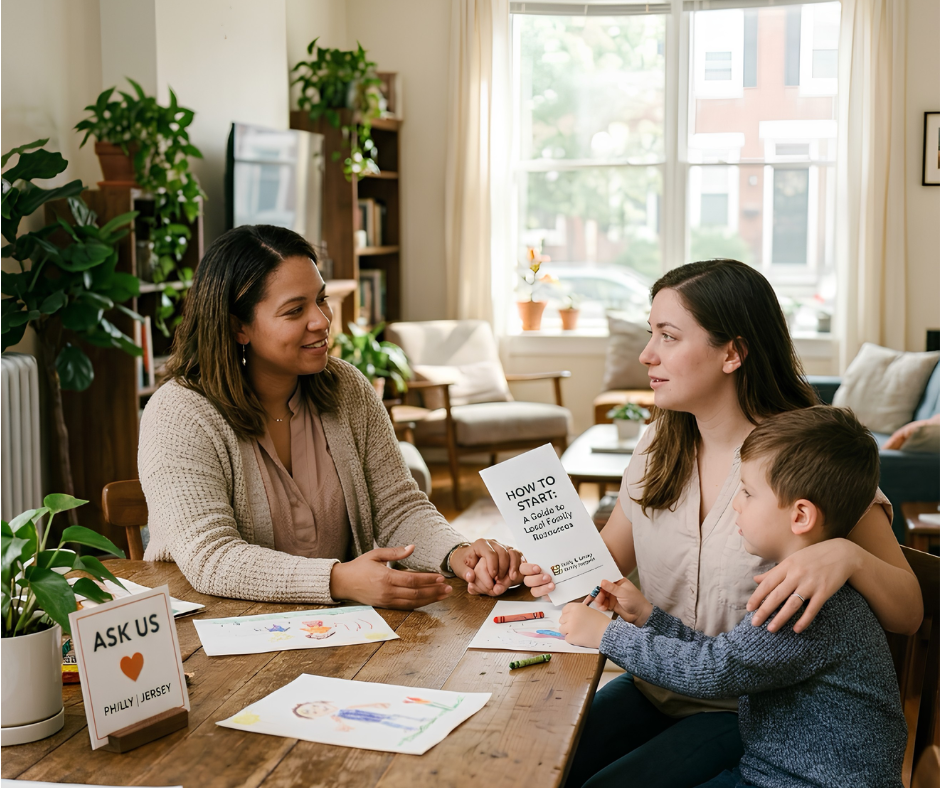
If you are reading this, you have likely been holding your breath for a long time. Maybe it has been months; maybe it has been years. You have lived through the missed phone calls, the late-night pac-ing, the unexplained absences, and the growing distance between you and the person you love. Liv-ing in the shadow of a loved one’s substance use disorder is a heavy, isolating experience.
In the neighborhoods of Philadelphia and across the communities of New Jersey, thousands of fami-lies are walking this exact same path. Yet, despite how common this struggle is, it often feels like a se-cret that must be kept at all costs. We want you to know something important right now: You do not have to carry this alone anymore. It is okay to ask for help, not just for your loved one, but for your-self.
For over 60 years, Livengrin Foundation has stood as a pillar of hope in the Delaware Valley. We have seen the landscape of addiction change, from the early days of alcohol treatment to the current com-plexities of the opioid crisis affecting our streets in Philly and the suburbs of Jersey. Throughout six decades, one thing has remained constant: the family is the heartbeat of recovery. When a family de-cides to reach out, the cycle of crisis begins to shift toward a cycle of healing.
Why It Is So Hard to Reach Out
The hesitation you feel is normal. Families often wait until a crisis: a job loss, an arrest, or a medical emergency: to seek out addiction treatment centers. There are several reasons why families in our region wait to make that first call:
- The Stigma: There is a lingering, outdated belief that addiction is a moral failing rather than a chronic medical condition. This shame often keeps families silent.
- The Fear of the Unknown: You may worry about what happens during a detox rehab or whether treatment will actually “work” this time.
- The Burden of Responsibility: Many family members feel that if they just try harder, give more money, or offer more “tough love,” they can fix the problem themselves.
- Financial Concerns: Navigating insurance and the costs of care can feel like an insurmountable wall when you are already exhausted.
At Livengrin, we believe that understanding these barriers is the first step to breaking through them. We meet families where they are, acknowledging that no two paths to recovery look the same.

Establishing a New Perspective on Addiction
To move forward, we must change how we view the problem. Addiction is a complex disease of the brain that affects behavior and decision-making. When you recognize that your loved one is strug-gling with a medical issue, it allows you to move from a place of anger and resentment to a place of clinical compassion.
This shift does not mean you excuse the behavior, but it does mean you stop expecting a person with a broken leg to run a marathon. You begin to look for professional intervention rather than trying to provide the cure yourself. Our intervention services are designed to help families navigate this transi-tion with dignity and respect.
How to Start: A Practical Guide for Philly and Jersey Families
Knowing you need help is one thing; knowing where to click or who to call is another. Here is a clear, step-by-step path to starting the process.
1. Education and Awareness
Before you confront your loved one, educate yourself on the current local challenges. In Philadelphia and New Jersey, we are seeing an increase in synthetic additives like Medetomidine and Xylazine (Tranq). Understanding these risks helps you communicate the urgency of the situation without sounding “alarmist.” You are simply responding to the reality of the environment.
2. Consult the Professionals
You don’t need to have all the answers before you call us. Our team includes highly qualified clini-cians and specialists who understand the specific needs of our community. Whether you are dealing with a workforce professional or a young adult, we provide a structured assessment to determine the appropriate level of care.
3. Prioritize Detox
If your loved one is physically dependent on substances, the first step is often a detox rehab. At-tempting to detox at home in Philly or Jersey is not only difficult but can be life-threatening. A clinical detox provides a safe, monitored environment where withdrawal symptoms are managed with med-ical expertise, ensuring the individual is stabilized and ready for the next phase of treatment.
4. Explore Outpatient Options
Not everyone requires long-term residential stay. For many in our region, outpatient services allow the individual to receive high-level care while maintaining their responsibilities at home or work. This is often a vital step for long-term, sustainable sobriety.
The Livengrin Difference: 60 Years of Compassion
What sets Livengrin apart from other addiction treatment centers is our deep-rooted connection to the local community. We aren’t just a facility; we are a foundation dedicated to the long-term health of our neighbors.
- Individualized Care: We don’t believe in “cookie-cutter” Every patient receives a plan tailored to their specific history, co-occurring mental health needs, and personal goals.
- A Culture of Dignity: We treat every individual who walks through our doors with the respect they deserve as a human being. Crisis does not strip a person of their worth.
- Support for the Whole Family: Recovery isn’t just for the person using substances. We offer community support and resources to help families heal the trauma they have experienced during the active phase of the addiction.
Supporting the Frontlines and the Household
We recognize that many families in our area are part of the backbone of Pennsylvania and New Jer-sey: our unions, our first responders, and our healthcare workers. The stress of these roles can often contribute to the development of substance use disorders. We have specialized programs, such as our employer-focused journeys, to ensure that those who serve our community receive the special-ized care they need to return to their lives and careers safely.

Dealing with the “What Ifs”
It is natural to worry. What if they refuse to go? What if they relapse? What if we can’t afford it?
These questions are the voices of your anxiety, but they shouldn’t be the final word. Our admissions and clinical teams are experts at navigating these hurdles. We can help you understand insurance coverage, discuss intervention strategies, and provide a realistic outlook on the recovery process. Re-covery is rarely a straight line, but it is a journey that is much easier to navigate with a map and a guide.
Your Action Plan for Today
If you are ready to stop the cycle of “waiting for the other shoe to drop,” here are three things you can do right now:
- Visit our Support Page: Read through the resources we have specifically curated for families and
- Attend an Event: Check our events calendar for community meetings or educational sessions where you can meet others who understand what you are going through.
- Make the Call: Reach out to our admissions You don’t need to commit to a program in the first five minutes. Just start a conversation.
A Final Word of Hope
To the mothers in South Philly, the fathers in Cherry Hill, the siblings in Bucks County, and the chil-dren across the entire region: there is a path out of the darkness. You have spent so much time taking care of the crisis; now it is time to take care of the solution.
At Livengrin, we have seen thousands of lives transformed. We have seen families reunited and hope restored where it seemed completely lost. You are not “bothering” us by calling, and you are not “weak” for needing help. You are taking the first step toward a future that isn’t defined by addiction.
We have been here for 60 years, and we are here for you today. Let’s start this journey together.
Contact Livengrin Foundation today and take the first step toward healing your family.