

For over 50 years, the Livengrin Foundation has stood as a beacon of hope for individuals and families across Pennsylvania and the Mid-Atlantic region. We have walked alongside thousands of people as they navigate the darkest moments of their lives, providing a sanctuary for healing and a roadmap for long-term recovery. We understand that when you or a loved one reaches the point of realizing that professional help is needed, the urge to “just get it over with” at home can be incredibly strong.
The idea of a “DIY” detox: staying in your own bed, surrounded by your own things, and attempting to white-knuckle through withdrawal: often feels like the most private and convenient path. However, as we move through 2026, the landscape of substance use has shifted dramatically. The risks associated with unsupervised withdrawal are higher than they have ever been. In this environment, a professional detox rehab isn’t just a recommendation; for many, it is a life-saving necessity.
The Hidden Dangers of the “White-Knuckle” Approach
Detoxification is the process of allowing the body to clear itself of drugs or alcohol. While it sounds straightforward, the physiological reality is a violent recalibration of the central nervous system. When you have been using a substance for a long period, your brain and body adapt to its presence. When you suddenly stop, the system goes into a state of shock.
Attempting this without medical supervision is dangerous for several clinical reasons:
1. Seizures and Delirium Tremens (DTs)
If you are struggling with alcohol or benzodiazepine dependence, the risk of grand mal seizures is a very real threat during the first 72 hours of abstinence. Delirium Tremens, or “the horrors,” involves severe confusion, hallucinations, and cardiovascular collapse. Without immediate access to anti-convulsant medications and 24/7 monitoring, these episodes can be fatal.
2. Cardiovascular Stress
Withdrawal puts an immense strain on the heart. It is common to see dangerous spikes in blood pressure and heart rate (tachycardia). In a home setting, there is no one to monitor these vitals or administer the beta-blockers or other medications needed to keep your heart from failing under the stress of detox.
3. Dehydration and Electrolyte Imbalance
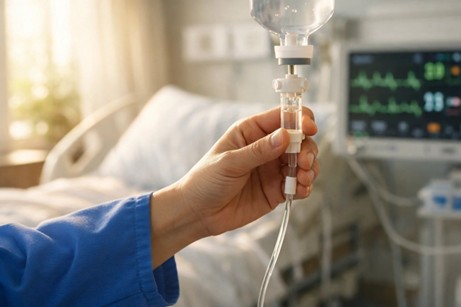
Withdrawal often involves intense vomiting, sweating, and diarrhea. This can lead to rapid dehydration and the depletion of essential electrolytes like potassium and magnesium. When these levels drop too low, it can trigger cardiac arrest. In a clinical detox rehab setting, intravenous (IV) fluids and nutritional support are standard components of care.
2026: The Xylazine and Fentanyl Crisis in Philadelphia
Why does medical detox matter more right now? Because the drug supply in the Philadelphia and Bensalem areas has become increasingly toxic and unpredictable.
In 2026, we are seeing a massive prevalence of Xylazine, commonly known as “Tranq.” This is a non-opioid sedative used in veterinary medicine that is now frequently mixed with fentanyl. Because it is not an opioid, standard treatments like Narcan do not reverse its sedative effects.
Withdrawing from a “Tranq-dope” habit is exponentially more complex than withdrawing from heroin or prescription pills of the past. Xylazine withdrawal can cause:
- Severe skin ulcerations and wounds that require clinical wound
- Extreme anxiety and agitation that does not respond to traditional opioid
- Dangerous drops in blood pressure and heart rate that require hospital-grade
At Livengrin, our clinicians are experts in the specific challenges of the current Philly-area drug supply. We don’t just treat the addiction; we treat the specific chemical complexities of the substances being used today. We provide the expertise necessary to manage these unique symptoms with dignity and safety.
The “Kindling” Effect: Why Every Attempt Matters
There is a neurological phenomenon known as “kindling.” Each time an individual goes through an unsupervised, traumatic withdrawal and then relapses, the brain becomes more sensitive. Subsequent withdrawal episodes become progressively more severe and more dangerous.
By choosing a professional addiction treatment center for your first (or next) detox, you are breaking this cycle. We use specialized medications to “taper” the brain’s reaction, preventing the traumatic shock that leads to kindling. This not only makes the process safer but significantly increases the chances that this will be your last time going through withdrawal.
The Livengrin Difference: Safety, Dignity, and Expertise
Choosing to enter a drug rehab is a brave decision. At Livengrin, we believe that the detox process should be handled with the utmost compassion. We meet patients where they are, recognizing that no two paths to recovery look the same.
24/7 Clinical Supervision
Our medical team consists of doctors, nurses, and clinicians who specialize in addiction medicine. They are on-site around the clock to monitor your vitals, adjust medications, and ensure you are as comfortable as possible. We don’t believe in “suffering through it.” We believe in using every medical tool available to make your transition into sobriety stable.
A Focus on Dignity
One of the biggest fears of detox is the loss of control. In our facilities, we prioritize your comfort and privacy. You are a patient receiving medical treatment for a chronic disease, and you will be treated with the respect that entails. From our quiet rooms to our nutritious meal plans, every aspect of the environment is designed to support your nervous system as it heals.
Individualized Protocols
We don’t use a “one-size-fits-all” approach. Whether you are a first responder in our specialized FRAT program or a professional taking leave through an EAP, we tailor the medical protocol to your specific substance use history, physical health, and psychological needs.

Beyond the Physical: The Psychological Bridge
Detox is only the beginning. The greatest risk of a DIY detox isn’t just the physical danger: it’s the high rate of immediate relapse. When the physical pain becomes too much at home, the easiest “medicine” is the substance you are trying to quit.
In a professional detox rehab, we provide the psychological bridge to the next phase of treatment. As the fog clears, our counselors begin working with you to identify the triggers and underlying is-sues that led to use. We help you transition seamlessly into residential treatment or intensive outpatient programs, ensuring there is no “gap” where a relapse could occur.
Your Path Starts Here
If you are reading this, you are likely at a crossroads. You might be scared of the cost, the time away from work, or the process of withdrawal itself. But consider the alternative: the risk of a fatal seizure, the trauma of a failed home attempt, or the unpredictable effects of an adulterated drug supply.
You don’t have to do this alone. Recovery is possible, and it begins with a safe, medically-managed foundation. Livengrin is a partner in your journey, providing the clinical excellence and compassionate care you deserve.
Take the First Step Today
If you or a loved one needs help, don’t wait for a crisis to become a tragedy. Our admissions team is available to walk you through the process, check your insurance coverage, and help you find a bed in our medical detox program.
- Learn more about our specialties: https://livengrin.org/specialties
- Find a facility near you: https://livengrin.org/facilities
- Join our community: Recovery is a lifelong We invite our graduates to stay connected through our Alumni Meetings and community events.
Call us today. Let’s start your recovery with the safety, dignity, and expertise you need to succeed.