

 For over 50 years, Livengrin Foundation has provided compassionate addiction treatment across the tri-state region, serving individuals and families throughout New Jersey, New York, Delaware, and beyond. In our decades of experience helping thousands recover from substance use disorders, we’ve encountered one question more than any other: “Is addiction really a choice?”
This question carries profound weight for individuals struggling with addiction, their loved ones, and the broader community. The answer shapes how we approach treatment, policy, and our understanding of recovery itself.
The Science Behind Addiction: Two Competing Perspectives
The scientific community presents two primary viewpoints on whether addiction constitutes a choice, each supported by compelling research and clinical evidence.
The Brain Disease Model: When Choice Becomes Compromised
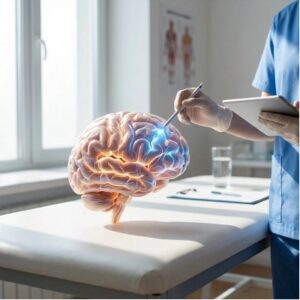 Most major health organizations, including the U.S. Surgeon General’s office, characterize addiction as a chronic brain disease. According to this perspective, while your initial decision to use sub-stances may be voluntary, prolonged use fundamentally alters brain structure and function.
Here’s what happens in your brain:
- Substances hijack your dopamine pathways: your brain’s natural reward system
- Over time, these changes create compulsive drug-seeking behaviors
- Critical areas governing judgment, decision-making, and impulse control become impaired
- What begins as choice transforms into compulsion
This neurobiological model suggests that individuals experiencing severe addiction can no longer voluntarily choose to abstain from substances, even when facing devastating consequences to their health, relationships, and livelihood.
The Behavioral Choice Model: Addiction as Suboptimal Decision-Making
An alternative perspective, grounded in behavioral economics, views addiction as suboptimal decision-making rather than complete loss of choice. Researchers supporting this model point to several compelling observations:
- Most people who meet diagnostic criteria for addiction eventually stop using substances by age 30
- Many individuals quit without professional intervention
- Factors influencing recovery: legal concerns, economic pressures, family relationships: align with voluntary decision-making processes
This model suggests addiction follows predictable patterns of human behavior, particularly hyperbolic discounting, where individuals consistently prioritize immediate gratification over long-term wellbeing.
What Both Perspectives Agree On: Recovery is Possible
Despite their differences, both scientific models share a crucial point of agreement: most people who develop addiction eventually stop using substances. Whether this reflects the brain’s capacity for
healing or an individual’s ability to make better choices, the outcome remains hopeful: recovery is not only possible but probable with appropriate support.
Regional Context: Addiction Treatment in NJ, NY & DE
 Across New Jersey, New York, and Delaware, addiction affects individuals from every background, profession, and community. The tri-state region faces unique challenges:
New Jersey reports some of the highest overdose rates nationally, with opioids contributing significantly to these statistics. However, the state has also invested heavily in expanding addiction treatment centers and harm reduction programs.
New York continues addressing both urban and rural addiction challenges, with particular focus on integrating substance abuse treatment into existing healthcare systems.
Delaware, though smaller, has implemented innovative approaches to drug rehab and alcohol rehab, emphasizing early intervention and community-based recovery support.
Why the “Choice” Question Matters for Your Recovery
Understanding addiction as disease, choice, or something in between directly impacts your treatment experience and recovery journey. At Livengrin Foundation, we’ve learned that effective treatment must address both perspectives.
If Addiction is a Brain Disease…
Treatment focuses on:
- Medical stabilization and detoxification
- Medication-assisted treatment when appropriate
- Neurobiological healing through therapy and lifestyle changes
- Long-term management strategies for a chronic condition
If Addiction Involves Choice…
Treatment emphasizes:
- Cognitive-behavioral interventions to improve decision-making
- Motivational enhancement to strengthen internal motivation
- Skills training for better choices in high-risk situations
- Environmental modifications to support healthier decisions
Our Integrated Approach: Meeting You Where You Are
Rather than choosing sides in this scientific debate, we recognize that your experience with addiction is unique. Some individuals benefit from understanding their condition through a medical lens, while others find empowerment in reclaiming their agency and choice.
Our treatment approach addresses both perspectives because recovery often requires both healing and empowerment.
The Role of Stigma in the Choice Debate
 The question “Is addiction a choice?” carries significant stigma implications for residents throughout New Jersey, New York, and Delaware. When addiction is viewed purely as choice, individuals may face:
- Moral judgment from family and community members
- Reduced access to compassionate healthcare
- Self-blame that interferes with recovery motivation
- Barriers to employment and housing opportunities
Conversely, when addiction is viewed exclusively as disease, some individuals may experience:
- Reduced sense of personal agency in recovery
- Dependence on external solutions rather than internal resources
- Difficulty maintaining motivation during challenging periods
The most effective approach acknowledges both the biological reality of addiction and your capacity for growth, choice, and healing.
Practical Implications for Families
If you have a loved one struggling with addiction in New Jersey, New York, or Delaware, understanding both perspectives helps you provide more effective support:
From the disease model:
- Approach your loved one with compassion rather than judgment
- Understand that willpower alone may be insufficient
- Support professional treatment and medical intervention
- Recognize that relapse doesn’t indicate moral failure
From the choice model:
- Maintain appropriate boundaries and expectations
- Encourage accountability and personal responsibility
- Support skill-building and decision-making improvements
- Celebrate incremental progress and positive choices
Treatment Options Across the Tri-State Region
Regardless of how you understand addiction, quality treatment remains essential. Throughout New Jersey, New York, and Delaware, various addiction treatment centers offer comprehensive services:
Medical Detoxification
Safe, supervised withdrawal management with 24/7 medical support to address the physiological aspects of addiction.
Residential Treatment
Intensive, immersive programs that remove individuals from triggering environments while providing comprehensive therapeutic support.
Outpatient Programs
Flexible treatment options allowing individuals to maintain work and family responsibilities while receiving structured support.
 Medication-Assisted Treatment
 Medication-Assisted Treatment
Evidence-based medications that reduce cravings and withdrawal symptoms, supporting both disease and choice models of recovery.
The Bottom Line: Focus on Solutions, Not Semantics
Whether addiction is ultimately a choice, a disease, or something more complex, the most important question isn’t philosophical: it’s practical: What helps people recover and rebuild their lives?
At Livengrin Foundation, our five decades of experience have taught us that recovery thrives when we:
- Meet individuals where they are without judgment
- Provide evidence-based treatment that addresses multiple dimensions of addiction
- Support both medical intervention and personal empowerment
- Create communities of understanding and mutual support
Your Next Steps
If you or a loved one is struggling with addiction in New Jersey, New York, or Delaware, don’t let the debate about choice versus disease prevent you from seeking help. Recovery is possible regardless of how you understand addiction.
Our compassionate team provides individualized treatment that honors both the biological realities of addiction and your capacity for choice and change. We offer comprehensive substance abuse treatment, drug rehab, and alcohol rehab services designed to meet your unique needs and circumstances.
Take action today: Contact Livengrin Foundation at livengrin.org to learn about treatment options in your area. Our admissions specialists understand the complexities of addiction and can help you find the right path forward: one that acknowledges both the challenges you face and the strength you possess to overcome them.
Recovery isn’t about choosing the right theory of addiction; it’s about choosing hope, healing, and the support you need to reclaim your life.