
Since 1966, Livengrin Foundation, Inc. has served as Philadelphia’s premier addiction recovery service, standing as a pillar of hope for individuals and families across Pennsylvania, New Jersey, New York, Delaware, and Maryland. With nearly 60 years of proven experience, we understand that the decision to seek help is often the hardest step in the journey. The second hardest? The fear of the unknown that comes with detox rehab.
When you or a loved one are facing the crisis of addiction, “detox” can sound like an intimidating, clinical word. You might worry about pain, isolation, or the stigma of checking into a facility. At Livengrin, we believe that education is the first step toward peace of mind. We meet our patients where they are, offering a compassionate, evidence-based approach that prioritizes your dignity and safety above all else.
In this guide, we’ll walk you through exactly what happens during detox rehab, why medical supervision is non-negotiable, and how we help bridge the gap from crisis to long-term recovery.
What is Medical Detox Rehab?
Medical detox is the process of safely clearing addictive substances from your body while under the 24/7 care of medical professionals. It is the essential first phase of recovery, designed to manage the physical symptoms of withdrawal and stabilize your health so you can focus on the deeper work of therapy.
Many people attempt “DIY” detox at home, which can be both dangerous and ineffective. At a dedicated detox rehab facility like Livengrin, we utilize clinical protocols to ensure that withdrawal is not only safe but as comfortable as possible. We aren’t just a service provider; we are your partner in health, backed by six decades of success stories and a foundation of ethical standards that newer facilities often lack.

The First 24 Hours: Your Arrival and Assessment
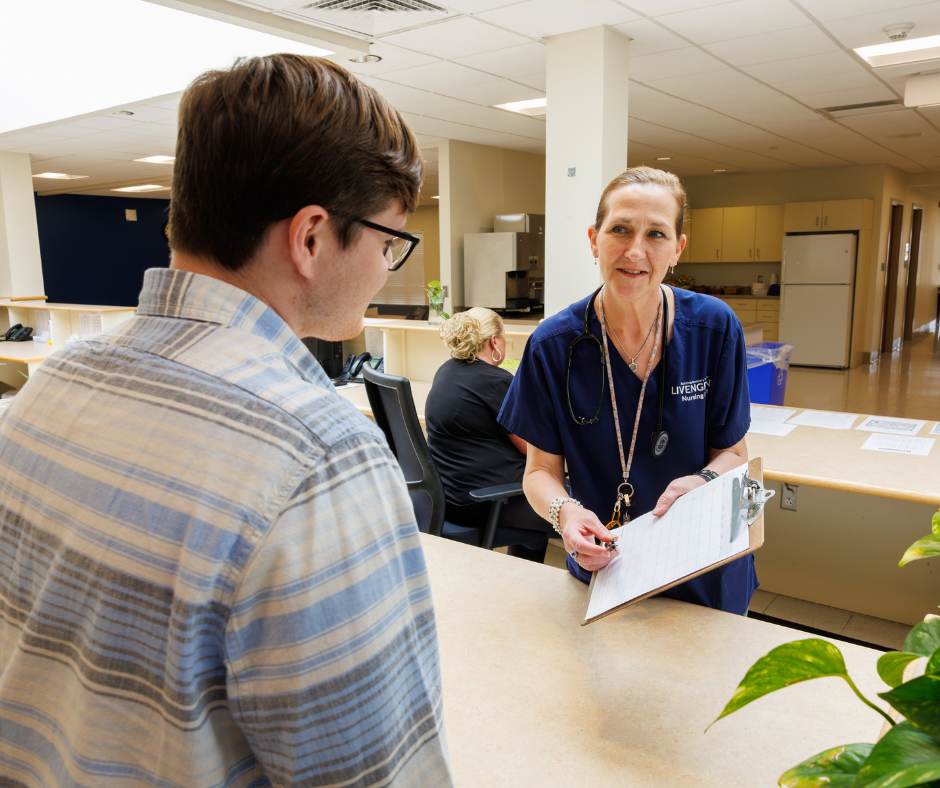
The moment you walk through our doors, our priority is to lower the stress of the situation. Your first day is focused on gathering information so we can tailor a treatment plan specifically to your needs. No two paths to recovery look the same, and your detox experience shouldn’t be a “one-size-fits-all” model.
- Clinical Intake: You will meet with our medical and nursing staff for a comprehensive evaluation. This includes a review of your substance use history, physical health, and any co-occurring mental health conditions.
- Physical Examination: We perform a routine medical check-up to assess your vitals and identify any immediate medical needs.
- Safety Screening: We screen for high-risk factors, such as a history of seizures or severe withdrawal (like Delirium Tremens), to ensure we have the right level of monitoring in place.
- Settling In: Once the assessment is complete, you’ll be shown to your Our admissions guide provides a full list of what to bring to make your stay more comfortable.
Managing Withdrawal with Compassion
The most common fear regarding detox rehab is the physical discomfort of withdrawal. While withdrawal is a challenge, it is a temporary bridge to a better life. Our medical team uses evidence-based tools like the CIWA-Ar (for alcohol) and COWS (for opioids) scales to monitor your symptoms objectively.
Instead of “toughing it out,” we use modern medical interventions to ease the process:
- Alcohol Withdrawal: We may use medications like benzodiazepines to prevent seizures and man-age anxiety or tremors.
- Opioid Withdrawal: For those struggling with pain pills, heroin, or fentanyl, we utilize medications like buprenorphine to significantly reduce cravings and “flu-like” symptoms.
- Symptom Relief: We provide targeted care for insomnia, nausea, and muscle aches, ensuring you can rest while your body heals.
Our staff are more than just clinicians; they are experts in addiction medicine who provide constant reassurance and dignity throughout this vulnerable time.

Why 60 Years of Experience Matters
In an industry where new facilities open and close every year, Livengrin’s 60-year legacy is your guarantee of quality. We have refined our flexible treatment models over generations, adapting to the changing landscape of addiction: from the alcohol-focused programs of the 1960s to the complex fentanyl crisis of today.
We are proud to serve a wide range of individuals, including:
- Workforce Professionals: Our specialized programs help employees return to their careers with health and integrity.
- First Responders: Our FRAT program is designed by and for those who serve our
- Families: We offer support programs to help loved ones heal alongside the
For the Family: Navigating the Detox Phase
If you are the family member of someone in detox rehab, your role is vital but can feel overwhelming. It is normal to feel a mix of relief and anxiety. Here is what you can expect and how you can help:
- Communication: During the first few days, your loved one’s focus needs to be on physical stabilization. We typically have structured times for phone calls to ensure they get the rest required for
- Education: Use this time to learn about the disease of Understanding that this is a medical condition: not a moral failing: helps build a stronger foundation for when they return home.
- Support Yourself: Addiction is a family We encourage you to look into our community support options or attend family education sessions.
- Plan for the Next Step: Detox is only the Our team will work with you to plan for residential treatment or intensive outpatient care after the detox phase is complete.

The Bridge to Recovery: What Happens After Detox?
Detox cleans the body, but rehab heals the mind. Once the “fog” of substance use begins to lift, our clinicians work with patients to determine the next best step. We are committed to flexible treatment models that adapt to individual needs. Whether that means a transition into our residential program, moving to a specialized workforce track, or starting intensive outpatient therapy, we ensure the transition is seamless.
We also recognize that many individuals face financial barriers to care. Livengrin is primarily funded through commercial insurance and out-of-pocket payments, but we are also a 501(c)(3) nonprofit. We actively seek donations and grants to help cover treatment for those who are less fortunate and can-not afford their care. Improving our facility and expanding our reach is a community-wide effort.
Take the First Step Today
You don’t have to face the crisis of addiction alone. Whether you are in Philadelphia, across the river in New Jersey, or anywhere in the Mid-Atlantic region, Livengrin is here to provide the compassion-ate, expert care you deserve.
Detox rehab is the first chapter of a new story. It is a place where dignity is restored, and the heavy weight of addiction begins to lift.
Contact Us
If you or someone you love needs help, don’t wait.
- Phone: Call us 24/7 for a confidential
- Online: Visit our Admissions Page to learn
- Location: 4833 Hulmeville Rd, Bensalem, PA
Recovery is possible. Let us help you find the way.