
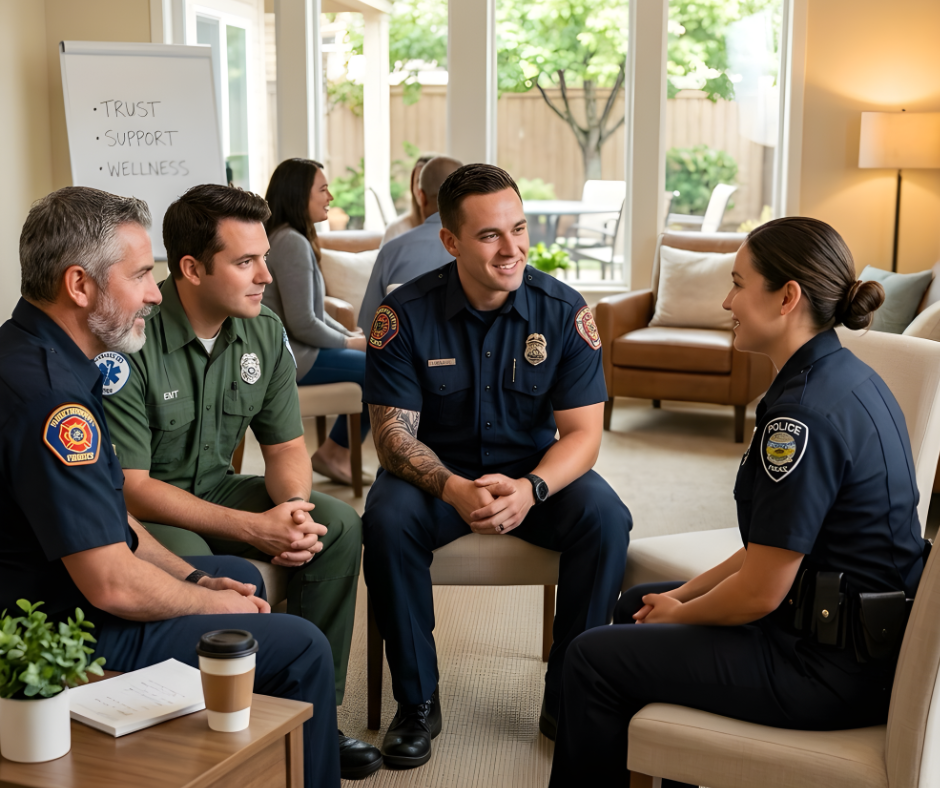
For over 60 years, Livengrin Foundation has stood as a beacon of hope for individuals and families across Pennsylvania, New Jersey, and Delaware. We have seen the landscape of addiction change, but our commitment to providing compassionate, evidence-based care has never wavered. When you walk through our doors, you aren’t just a patient; you are part of a community that understands the heavy toll substance use takes on a life.
Recovery isn’t a one-size-fits-all journey. This is especially true for those who spend their lives running toward the crises that others are running away from. Police officers, firefighters, EMTs, and corrections officers operate in a world of high-stakes pressure and repeated trauma. For these individuals, a standard drug rehab program often isn’t enough. They need a specialized approach that respects their culture, protects their privacy, and addresses the specific scars that come with the badge. This is where First Responder Addiction Treatment (FRAT) changes the conversation.
The Invisible Weight of the Uniform
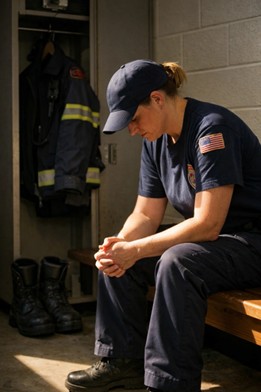
To understand why specialized treatment is necessary, we must first look at the unique culture of first responders. You are trained to be the “helper,” the person who is always in control. In the world of public safety, vulnerability is often viewed as a liability. This “warrior ethos” creates a powerful barrier to seeking help. When your job requires you to be stoic in the face of tragedy, admitting that you are struggling with substance abuse treatment can feel like an admission of failure or a betrayal of your brothers and sisters in uniform.
Furthermore, the traumatic exposure is constant. While a civilian might experience a handful of traumatic events in a lifetime, a first responder may witness several in a single shift. Over time, this cumulative trauma can lead to a state of hyper-vigilance, where the brain never truly “shuts off.” Many turn to alcohol or substances as a way to quiet the noise, manage the adrenaline crashes, or finally get a few hours of sleep.
Why General Rehab Programs Often Fail First Responders
Most general substance abuse treatment programs are designed for the general public. While the clinical foundations are solid, they often fail to account for the specific “occupational stressors” of first responders.
Imagine a police officer sitting in a group therapy session next to someone they may have arrested a few months prior. Or a firefighter trying to explain the smell of a structure fire to a group of people who have never experienced it. The level of trust required for deep healing simply isn’t there. When first responders feel like they have to “watch their back” or explain the basics of their job, they can’t focus on their own recovery.
General programs also tend to treat addiction in isolation. For a first responder, the addiction is often a symptom of untreated PTSD or moral injury. If a program removes the substance but leaves the trauma unaddressed, the risk of relapse is incredibly high. Specialized care understands that for this population, trauma and addiction are two sides of the same coin.
The Livengrin FRAT Difference: Built by Peers, for Peers
At Livengrin, we recognized this gap decades ago. Our First Responder Addiction Treatment (FRAT) program was developed specifically to meet these unique needs. It isn’t just a “track” within a larger program; it is a dedicated environment where the culture of the first responder is respected and integrated into the healing process.
Confidentiality and Career Protection One of the biggest fears you likely face is the potential loss of your career. “If my department finds out, I’m done.” We take confidentiality to an extreme level within the FRAT program. We understand the nuances of fitness-for-duty evaluations and work closely with unions and employee assistance programs to ensure that your recovery journey supports your long-term career goals rather than hindering them.
The Peer-Support Model There is a specific kind of “dark humor” and shorthand language that only first responders understand. In our FRAT program, your peers are people who have walked in your boots. This immediate common ground breaks down the walls of isolation. When you are surrounded by people who understand the weight of the “bad calls,” you don’t have to spend your energy ex-plaining yourself. You can spend it getting better.

Addressing the Co-Occurring Disorder Reality
Evidence-based research shows that first responders are significantly more likely to suffer from co-occurring disorders: specifically the combination of PTSD and substance use disorder. At Livengrin, we don’t treat one and then the other. We treat them concurrently.
Our clinical team, which includes experts in trauma-informed care, utilizes modalities like Cognitive Behavioral Therapy (CBT) and Dialectical Behavior Therapy (DBT) tailored to the responder’s experience. We look at the neurological changes that occur in a brain exposed to chronic stress. By under-standing how the “fight or flight” system has been hijacked, we can help you “reset” your nervous system through specialized therapies and structured routines.
A Culture of Structure and Dignity
First responders often thrive in environments with clear expectations and structure. Our first responder addiction treatment reflects this. From morning briefings to physical training and goal-oriented sessions, the program feels familiar to someone used to a disciplined lifestyle.
But beyond the structure, there is a focus on dignity. We know that you have likely spent years feeling a sense of guilt or shame about your substance use. We move away from the “shame-based” models of the past and focus on resilience. You are a professional who is dealing with an occupational hazard. Recovery is about reclaiming your identity and your purpose.

The Ripple Effect: Families and Communities
Addiction doesn’t just affect the person in the uniform; it impacts the entire family. The spouses and children of first responders live with the “secondary trauma” of the job and the primary trauma of the addiction at home.
Livengrin’s approach involves family support that addresses these specific dynamics. We help families understand the transition from “work mode” to “home mode” and provide tools for healthy communication. When a first responder gets healthy, it stabilizes the entire family unit and, by extension, the community they serve.
How to Choose the Path Forward
If you are a first responder in PA, NJ, or Delaware, or if you love one, know that specialized help is available right in your backyard. Choosing a drug rehab is a major decision, and for first responders, the criteria should be higher. Look for:
- Dedicated Peer Tracks: Ensure you won’t be mixed into general populations where you don’t feel
- Clinical Expertise in Trauma: Ask if they have certified trauma professionals on
- Confidentiality Protocols: Verify their experience in working with municipal contracts and
- Alumni Support: Recovery doesn’t end at Look for programs with strong alumni net-works: like the Livengrin Alumni meetings: where you can stay connected to your peers.

Your Recovery is a Strength, Not a Weakness
There is a misconception that seeking help makes you “unfit.” The truth is the exact opposite. Taking the step to address your health is the most courageous and professional thing you can do. It ensures that you can continue to serve with clarity and that you can be present for the people who matter most at home.
At Livengrin, we have seen thousands of first responders rediscover their passion for the job and their love for their families. We meet you exactly where you are, without judgment, and walk with you to-ward a life that isn’t dictated by a bottle or a pill.
Ready to start? You don’t have to carry this alone anymore. Whether you are looking for detox, residential care, or intensive outpatient support, our team is ready to answer your questions 24/7. Reach out to us today and let’s discuss how the FRAT program can help you get back to being the person you were meant to be.
SEO-Optimized Topic Ideas for Management Review:
- The Rise of “Tranq” in Philadelphia: What Families in PA and NJ Need to Know About Xylazine
- Detox Rehab: A Comprehensive Comparison for Families in the Tri-State Area
- The Hidden Costs of Workplace Substance Abuse: A Guide for PA and NJ Employers
- How to Talk to Your Teen About Fentanyl: A Compassionate Guide for Local Parents
- Relapse Prevention 101: Strategies for Staying Sober During the PA/NJ Summer Season