
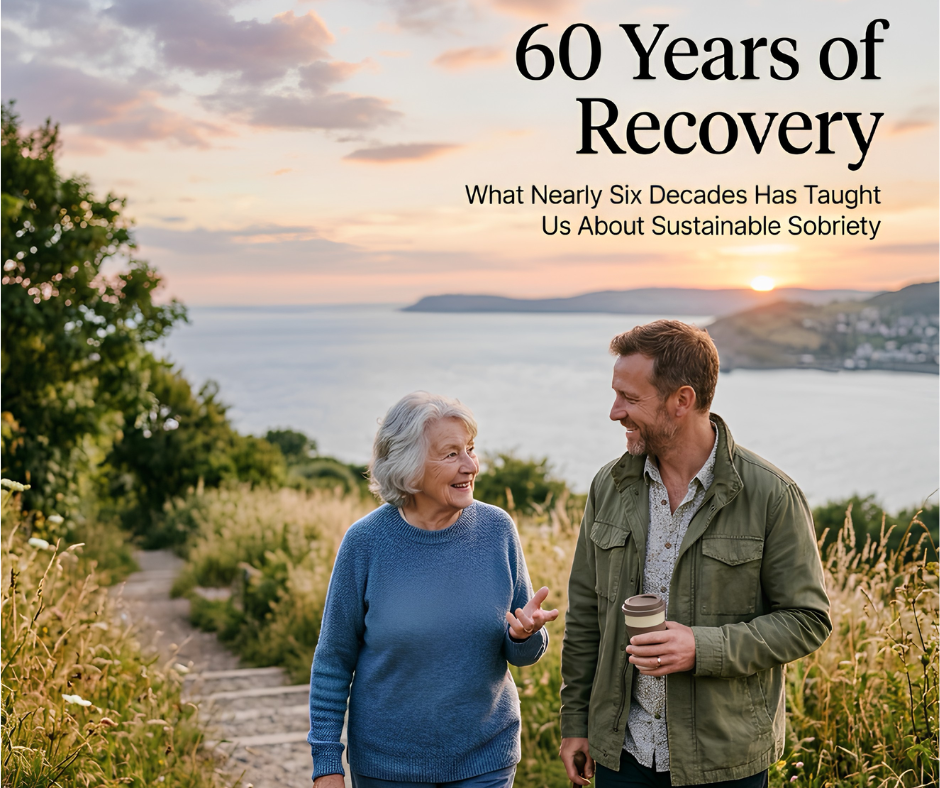
When we opened our doors back in 1966, the world looked very different. The “Summer of Love” was just around the corner, medical understanding of addiction was in its infancy, and the stigma sur-rounding substance use was often an insurmountable wall. But here at Livengrin, we started with a simple, compassionate mission: to treat people with dignity and provide a path toward a better life.
Fast forward to 2026, and we are celebrating six decades of service. In that time, we’ve seen trends come and go, we’ve weathered public health crises, and most importantly, we’ve walked alongside thousands of individuals as they reclaimed their lives. As one of the most established Philadelphia rehab centers, we’ve learned that while the drugs on the street might change, the fundamental pillars of sustainable sobriety remain remarkably consistent.
Whether you are looking for a drug rehab for yourself or an alcohol rehab for a loved one, there is comfort in experience. Here is what nearly sixty years of frontline addiction treatment has taught us about making recovery last a lifetime.
1. Sobriety is a Journey, Not a Destination
If there is one thing we wish we could tell every person walking through our doors for the first time, it’s this: recovery isn’t a finish line you cross; it’s a lifestyle you build. In the early days of addiction treatment centers, the focus was often just on the “detox” phase: getting the substances out of the body.
While clinical detox is essential for safety, we’ve learned that the real work begins when the fog clears. Sustainable sobriety requires a shift in perspective. You aren’t just “quitting” something; you are “starting” a new way of existing. This is why we focus so heavily on our treatments that address the psychological and social aspects of life after rehab.

2. No Two Paths Look the Same
In 60 years, we have never seen two identical recovery stories. We’ve treated CEOs, construction workers, nurses, and young adults just starting their lives. What works for a union member in Philadelphia might look very different from what works for a parent in South Jersey.
We’ve learned to “meet patients where they are.” This means offering a spectrum of care that includes everything from high-intensity residential programs to flexible outpatient services. Personalized care isn’t just a buzzword for us; it’s a clinical necessity. When treatment is tailored to your specific stressors, family dynamic, and career demands, the chances of long-term success skyrocket.
3. The Power of “Cultural Competency” in the Workforce
A major lesson from our six-decade legacy is the importance of understanding a person’s profession-al environment. A first responder sees the world differently than an office executive. A trade union member faces different physical and social pressures than a healthcare professional.
We realized early on that for sobriety to be sustainable, it has to survive the “real world”: and for most of us, that means the workplace. Our workforce program was born out of this realization. By partnering with employers and unions through our specialties for workplace professionals, we help create a bridge between treatment and a successful return to work. When your workplace supports your recovery, the “sustainable” part of sobriety becomes much easier to manage.
4. Community is the Antidote to Isolation
Isolation is the fuel that keeps addiction burning. Over the last 60 years, we’ve watched the “loneliness epidemic” grow, and we’ve seen how it complicates recovery. That’s why we place such a high premium on building a “tribe.”
Sustainable sobriety is rarely achieved alone. It thrives in the company of others who “get it.” Whether it’s through our events or our alumni networks, we’ve seen that staying connected to a compassion-ate community is often the difference between a temporary “break” from substances and a permanent lifestyle change. People need to feel like they belong to something bigger than their struggle.

5. Families Need Healing Just as Much as the Patient
One of the hardest lessons we’ve learned is that addiction is a family disease. When one person is struggling, the entire family unit is often in a state of trauma or “survival mode.” You cannot expect a person to go through treatment and return to a home environment that hasn’t also had the chance to heal.
We encourage families in Philly and Jersey to engage in our fostering recovery initiatives. When families learn how to set healthy boundaries and provide the right kind of support, they become the strongest safety net a person in recovery can have.
6. Managing the “New” Challenges with Old Wisdom
While our core philosophy hasn’t changed, we have to stay ahead of the curve. Today, the landscape of drug rehab is more dangerous than ever with the rise of synthetic additives like Medetomidine and Tranq. These substances have made the “crisis” feel more immediate and the stakes much higher.
However, the “old wisdom” of 60 years still applies: evidence-based clinical care, combined with relentless compassion, works. We use our community support networks to keep the public informed and to provide the high-level medical intervention required to navigate these modern complications. We aren’t just reacting to the news; we are using decades of expertise to provide solutions.

7. The Importance of Professional Integrity
In an industry that has seen many addiction treatment centers come and go, Livengrin’s longevity is a point of pride. This stability comes from our commitment to professional standards. Our staff isn’t just passionate; they are highly qualified experts who view this work as a calling.
We work closely with treatment professionals across the region to ensure that our clinical practices are always evolving. Sustainable sobriety for our patients starts with a sustainable, ethical foundation for our organization.
What Sustainable Sobriety Looks Like for You
If you’re reading this, you might be at the beginning of your 60-day, 60-week, or 60-month journey. It can feel overwhelming but remember you don’t have to figure it all out today. You just have to take the first step.
Sustainable sobriety is built on:
- Honesty: Being real about where you are and what you
- Willingness: A simple “yes” to trying a different way of
- Support: Reaching out to a specialty service that understands your unique
- Persistence: Knowing that a slip-up doesn’t mean the end; it means it’s time to double down on your support system.
Your Legacy Starts Today
Sixty years ago, a group of people decided that Philadelphia and its surrounding communities de-served a place of hope and healing. Today, we invite you to become a part of that legacy. Whether you need help navigating DUI services or you are looking for a comprehensive residential program, we are here as your partner.
Recovery is possible. We’ve seen it happen for six decades, and we know it can happen for you, too.
Ready to take the next step? You don’t have to do this alone. Reach out to our team today to learn more about our programs and how we can help you or your loved one start a new chapter.
- Visit our Blog for more
- Explore our Support
- Call us directly to speak with a compassionate admissions
Your journey to sustainable sobriety starts with one conversation. Let’s start it today.