
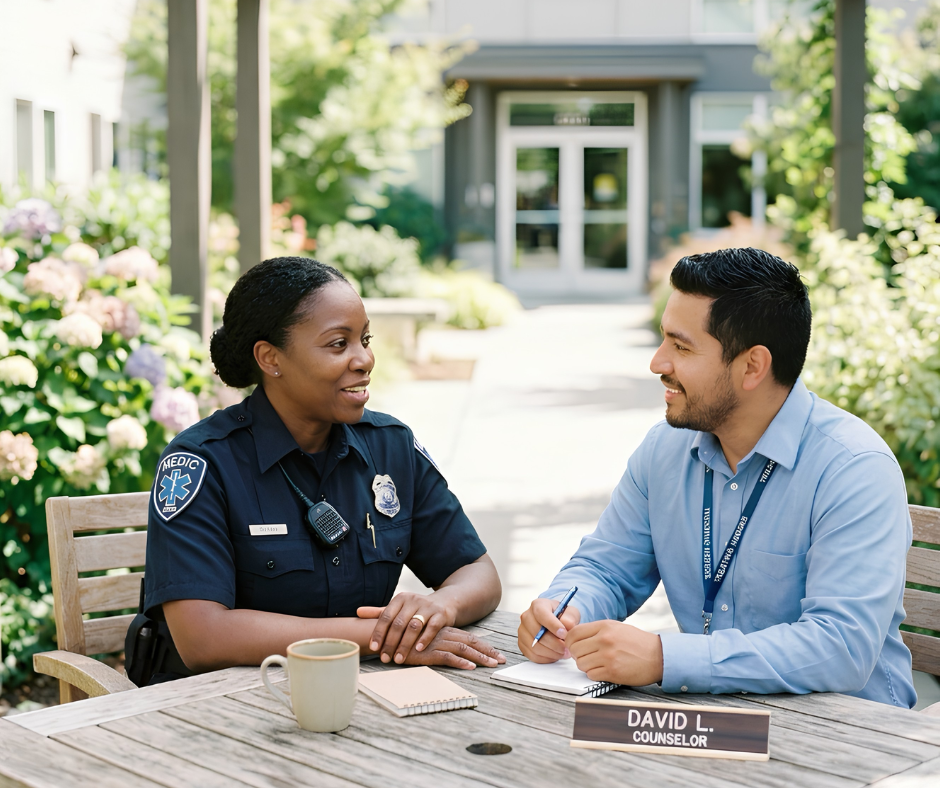
For nearly 60 years, Livengrin Foundation has stood as a pillar of hope for individuals struggling with substance use disorders across Pennsylvania and New Jersey. From our main campus in Bucks County to our various outpatient locations throughout the Philadelphia region, we have witnessed the evolving landscape of addiction. We have seen the rise of new threats like medetomidine and the devastating impact of the opioid crisis on our local communities. Throughout these six decades, one truth has remained constant: effective treatment is never one-size-fits-all.
This is especially true for the men and women who serve on our frontlines. Police officers, firefighters, EMTs, paramedics, and corrections officers operate in a world that most civilians will never truly understand. You face high-stakes decisions, chronic sleep deprivation, and repeated exposure to traumatic events that would buckle the average person. When you or a fellow responder begins to struggle with substance use, the path to recovery requires more than just a standard clinical approach. It requires cultural competency.
The Invisible Rucksack: Understanding the Responder Culture
Being a first responder is not just a job; it is an identity. It comes with an unspoken code of conduct, a unique vocabulary, and a specific set of values that prioritize the mission and the safety of others above all else. You are trained to be the helper, the fixer, and the “calm in the storm.” This “warrior” mentality is essential for the job, but it can create a significant barrier when it comes to seeking sub-stance abuse treatment.
For many, the rucksack you carry is filled with “silent” traumas, calls that didn’t go as planned, the loss of a brother or sister in the line of duty, and the cumulative weight of seeing the worst days of other people’s lives on a daily basis. To cope, many turn to substances to numb the hyper-vigilance or to simply get a few hours of sleep.
The challenge is that the very traits that make you excellent at your job, stoicism, self-reliance, and a “thick skin”, often make you feel like asking for help is a sign of weakness or a betrayal of your department. Cultural competency in treatment means the clinicians and staff understand that for you, admitting there is a problem feels like a threat to your career, your reputation, and your sense of self.
The “Clinical Gap”: Why Standard Care Often Falls Short
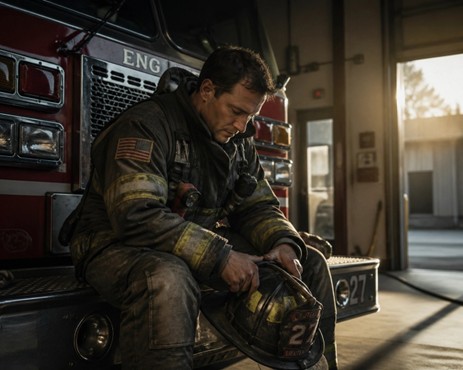
When a first responder enters a traditional, generalized treatment program, they often encounter a “clinical gap.” This happens when a well-meaning therapist uses traditional clinical language that doesn’t resonate with the responder’s lived experience.
If a therapist asks, “How does that make you feel?” without understanding the context of a high-speed pursuit or a pediatric cardiac arrest, the responder may feel judged or misunderstood. You might think, “This person has no idea what I’ve been through. How can they help me?”
This lack of understanding is a “red flag” that often leads to early administrative discharge or a “flight to health” where the responder says exactly what the clinician wants to hear just to get back to work. Without cultural competency, the underlying trauma remains unaddressed, and the risk of relapse
stays high. At Livengrin, we recognize that to bridge this gap, we must meet you where you are, using the language and the logic of the street, the station, and the firehouse.
What True Cultural Competency Looks Like
At Livengrin, cultural competency isn’t just a buzzword; it is a clinical standard. We have spent years refining our first responder addiction treatment protocols to ensure they align with the reality of your profession.
True cultural competency involves several key pillars:
- Shared Language: Our staff is trained to understand the terminology of the We know what a “signal 13” is, we understand the hierarchy of a department, and we know why “forced overtime” is a major stressor.
- Clinician Backgrounds: We prioritize hiring staff who have either served as first responders them-selves or have undergone intensive training in responder culture. This creates immediate trust and
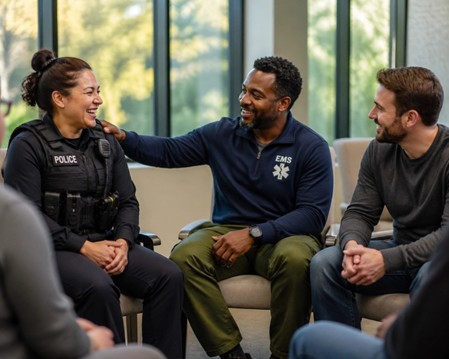
- Peer Support: There is an inherent bond between Our programs facilitate peer-to-peer connection, allowing you to recover alongside others who have shared similar experiences.
- Ride-Alongs and Agency Engagement: Our team stays connected to the local unions and departments. By staying active in the community, we ensure our clinical approach remains relevant to the current challenges you face on the streets of Philly or the suburbs of Jersey.
The FRAT Program: Specialized Care for the Frontlines
Recognizing the need for a dedicated space, Livengrin developed the First Responder Addiction Treatment (FRAT) program. This is a specialized track designed exclusively for those who wear the uniform. We understand that your needs are different from the general population, and our program reflects that.
The FRAT program focuses on:
- Trauma-Informed Care: We address the Post-Traumatic Stress (PTS) that often fuels substance use. We don’t just treat the addiction; we treat the “why” behind it.
- Confidentiality and Career Preservation: We know that “the shield” is your livelihood. We work closely with Employee Assistance Programs (EAPs) and union delegates to ensure that your privacy is protected and that your return-to-duty process is handled with dignity.
- Family Integration: The stress of the job doesn’t stay at the station; it follows you We in-volve families in the recovery process to help rebuild the support systems that may have been strained by addiction.
- Long-Term Resilience: Our goal isn’t just to get you sober; it’s to give you the tools to remain sober while continuing your This includes learning new coping mechanisms for the high-stress environment of the frontline.
Protecting Your Legacy and Your Future
We often hear from responders who are afraid that seeking help will mean the end of their career. In reality, untreated addiction is a much greater threat to your job, your family, and your life than treatment will ever be.
Livengrin’s 60-year history is built on the foundation of helping people reclaim their lives. We have seen countless officers and firefighters complete our program and return to their departments stronger, more resilient, and more capable than ever before. Choosing a program with cultural competency means you are choosing a partner who respects your service and understands the weight of your calling.

A Compassionate Community of Recovery
Recovery is not a solitary journey. When you choose Livengrin, you are joining a vast network of alumni and professionals dedicated to sustainable sobriety. Our commitment to you doesn’t end when you complete a program. We offer ongoing support through alumni meetings and community events to ensure you stay connected to the “tribe” that understands your journey.
If you are interested in connecting with others who are on this path, you can find a list of our upcoming gatherings on our alumni meeting calendar. These meetings are a safe space to share experiences and reinforce the tools learned during treatment.
Take the First Step: You Don’t Have to Carry the Weight Alone
If you are a first responder struggling with alcohol or drugs, or if you are a supervisor worried about one of your own, please know that help is available. You have spent your career answering the call for others; now it’s time to answer the call for yourself.
At Livengrin, we provide a confidential, compassionate, and culturally competent environment where you can begin to heal. No two paths look the same, and we are committed to providing an individualized approach that honors your service and your future.
Contact us today to learn more about our FRAT program and our comprehensive substance abuse treatment options:
- Website: https://livengrin.org
- Blog for more resources: https://livengrin.org/blog
- Admissions and Inquiries: Reach out through our page sitemap to find the nearest facility or contact number.
You’ve spent your life protecting our community. Let us help you protect your life. Reach out today and start your journey toward a sustainable recovery.