
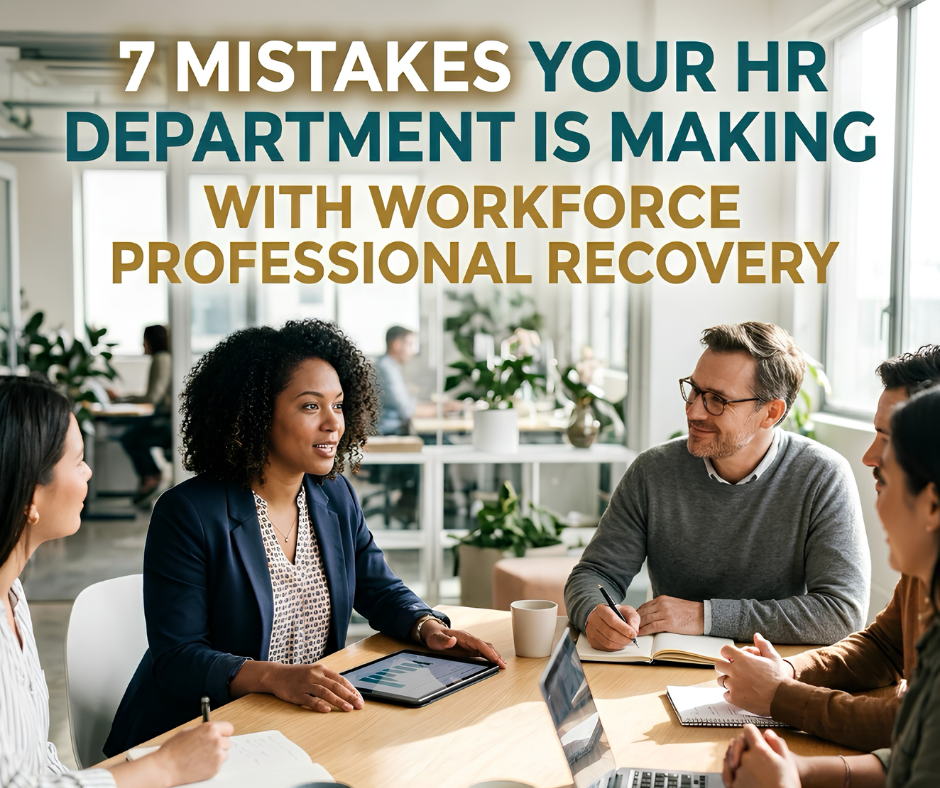
For over 60 years, Livengrin Foundation has served as a cornerstone of hope and healing in the Greater Philadelphia region and across Pennsylvania. We have seen firsthand how addiction doesn’t stay neatly tucked away at home; it follows talented, dedicated individuals into the office, the job site, and the boardroom. As an HR professional, you are often the first point of contact when an employ-ee’s performance begins to slip due to substance use. You sit at a unique crossroads of maintaining organizational productivity while upholding your commitment to employee well-being.
At Livengrin, we believe that a workforce professional’s journey to recovery should be met with dignity, clinical excellence, and a structured path back to the career they love. However, even the most well-intentioned HR departments often fall into patterns that inadvertently hinder an employee’s progress or create a culture of silence.
By identifying these seven common mistakes, you can transform your department into a proactive partner in recovery, ensuring that your organization remains a compassionate community where talent is restored rather than replaced.
1. Treating Addiction as a Disciplinary Issue Rather Than a Health Crisis
The most fundamental mistake an HR department can make is viewing substance use disorder (SUD) through the lens of performance discipline alone. When an employee is struggling, the traditional response is often a series of warnings leading to termination. While accountability is necessary, addiction is a complex clinical condition that requires medical intervention, not just a reprimand.
When you treat addiction as a health issue, you align your company with modern medical standards. Creating clear, written policies that explicitly state addiction is a health concern: not a moral failing: is the first step. This shift in perspective encourages employees to come forward before a crisis occurs, knowing they will be met with resources rather than immediate dismissal. At Livengrin, we emphasize that addiction can happen to anyone, and the path to wellness begins when the workplace ac-knowledges the clinical reality of the disease.
2. Relying on “One-Size-Fits-All” Employee Assistance Pro-grams (EAPs)
Many organizations provide an EAP and assume the box is checked. However, professional recovery is not a monolith. An executive, a nurse, and a first responder all face different pressures and triggers within their respective roles. A mistake many HR teams make is directing every employee to the same generic referral list without vetting the quality or specialization of the care provided.
Effective recovery requires a personalized approach. At Livengrin, we pride ourselves on our ability to “meet patients where they are,” offering specialized tracks like our Nurses Lifeline or programs tailored for workforce professionals. These programs understand the high stakes of professional licensure and the specific stressors of high-pressure environments. When your HR department partners with a facility that offers individualized care, you increase the likelihood of a successful, long-term re-turn to work.

3. Neglecting Leadership and Managerial Training
Your HR team cannot be everywhere at once. Often, the first signs of a struggle are noticed by a direct supervisor: changes in attendance, sudden irritability, or a decline in work quality. If your managers aren’t trained to recognize these signs or don’t know how to initiate a compassionate conversation, the employee may continue to spiral in secret.
Training your leadership team is about more than just compliance; it’s about creating a frontline of support. Managers need to know the protocol for a referral and, more importantly, how to speak to an employee with empathy. Without this training, managers may inadvertently enable the behavior or, conversely, create a hostile environment that pushes the individual further into isolation.
4. Failing to Protect Confidentiality and Dignity
For a professional, the fear of “everyone knowing” is often a greater barrier to treatment than the addiction itself. If an HR department handles a recovery situation poorly: allowing rumors to circulate or failing to secure sensitive health information: the trust between the employee and the organization is shattered.
Protecting an individual’s dignity is paramount. This means ensuring that only those who absolutely need to know are involved in the process and that the transition into treatment is handled with the same discretion as any other medical leave. A “compassionate community” is built on the foundation of trust. When an employee feels their privacy is respected, they are more likely to engage fully in their recovery program and return to the company with a sense of loyalty and gratitude.
5. Ignoring the Financial and Organizational Impact of Silence
Some HR departments hesitate to implement robust recovery programs because of perceived costs. However, the cost of ignoring substance abuse in the workplace is far higher. Between turnover, lost productivity, workplace accidents, and rising healthcare premiums, untreated addiction is a significant financial drain.
By being proactive, your HR department isn’t just doing the “right” thing; you are making a smart business decision. Investing in a partnership with an established institution like Livengrin: which has been a leader in the field for six decades: allows you to mitigate these risks. We provide the expertise needed to navigate the complexities of opioid addiction and other substance use issues, helping your employees get back to peak performance faster and more safely.

6. The “Out of Sight, Out of Mind” Approach to Treatment
Once an employee enters an in-patient program, some HR departments feel their job is done until the return date. This is a critical error. The period of transition from a residential facility back into the workforce is one of the most vulnerable times for an individual in recovery.
A successful Workforce Professional Recovery plan includes a structured “Return to Work” agreement. This shouldn’t be a punitive document, but rather a supportive framework that may include ongoing outpatient therapy, random drug testing (if appropriate for the role), and regular check-ins. By remaining an active partner during the treatment and early recovery phases, HR helps bridge the gap between the clinical environment and the professional world, ensuring the individual doesn’t feel abandoned during their transition.
7. Maintaining a Culture That Stigmatizes Recovery
Perhaps the most pervasive mistake is allowing a culture where “recovery” is a dirty word. If your company culture celebrates “work hard, play hard” mentalities that revolve around alcohol, or if jokes about substance use go unchecked, an employee in recovery will feel like an outsider.
HR has the power to shift the narrative. This involves educating the workforce about the reality of ad-diction and perception. By highlighting stories of resilience and making wellness a core company value, you reduce the stigma that keeps people in the shadows. When recovery is celebrated as a sign of strength and character, you foster an environment where everyone can thrive.
Partnering with Livengrin for a Healthier Workforce
Navigating the complexities of workforce recovery is a heavy lift for any HR department. You don’t have to do it alone. With 60 years of experience, Livengrin Foundation, Inc. stands as a partner to businesses across the region, providing the clinical expertise and compassionate care necessary to save careers and lives.
Our Workforce Professional Recovery services are designed to address the unique needs of your employees, ensuring they receive high-quality, evidence-based treatment while respecting the requirements of your organization. We offer a range of services from detox to intensive outpatient programs, all delivered by a team of highly qualified experts who understand that no two paths to recovery look the same.
If you are ready to move from a reactive stance to a proactive, supportive recovery culture, we invite you to reach out. Together, we can ensure that your employees receive the help they need to find their way back to health, dignity, and professional success.
Take the first step toward a more supportive workplace today. Visit our blog for more resources or contact us directly to learn how we can support your HR department’s goals.
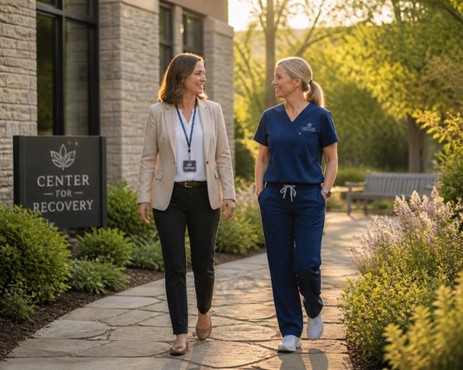
Actionable Steps for Your HR Team:
- Audit your current policies: Ensure that substance use is classified as a health issue in your employee handbook.
- Schedule a manager training session: Focus on identifying early warning signs and the proper referral process.
- Vett your EAP providers: Ask specific questions about their experience with workforce-specific recovery tracks.
- Open the dialogue: Start a conversation about wellness and mental health within your organization to reduce the stigma surrounding recovery.
Recovery is possible, and with the right support system in place, your employees can return to work stronger, more focused, and more dedicated than ever before. Let Livengrin be the partner that helps you make that a reality.