

For over 50 years, Livengrin Foundation has served as a beacon of hope for individuals and families across Pennsylvania and the Greater Philadelphia region. We have walked alongside thousands of people navigating the complex journey of recovery, providing a compassionate community and clinical excellence. We know that addiction doesn’t happen in a vacuum, and neither does recovery. This is especially true for those transitioning from the correctional system back into society.
Reentry is a period of profound vulnerability. When a loved one is released from incarceration, the joy of their return is often shadowed by the reality of the work ahead. If they struggle with substance use disorder (SUD), the stakes are incredibly high. Statistics consistently show that the first few weeks post-release are the most dangerous for overdose and relapse. However, we also know that family support is one of the strongest predictors of long-term success.
This guide is designed to help you, the family member, understand how to provide the right kind of support while navigating the specialized treatment needs of someone returning from incarceration.
The High Stakes of Reentry
The transition from a highly controlled environment to the total freedom of the community is a massive shock to the system. For someone in early recovery, the triggers are everywhere: old neighborhoods, old acquaintances, and the stress of rebuilding a life from scratch.
At Livengrin, we believe in meeting patients where they are. We recognize that individuals coming out of the justice system often face “collateral consequences”: challenges with housing, employment, and social stigma: that can derail even the best intentions. Our evidence-based approach is designed to address these specific hurdles with dignity and clinical precision.

Why Your Role as a Family Member is Vital
You are the bridge between the institution and a healthy life. While professional treatment is essential, the “warm handoff” from a facility to the home environment often depends on the family’s involvement.
Research indicates that when families are engaged in the treatment process, patients are more likely to stay in a program and maintain sobriety. Your role isn’t just to be a “monitor” or a “policeman.” In-stead, you are a partner in their healing. By fostering an environment of accountability and compassion, you help your loved one rediscover their sense of worth.
Navigating the Treatment Landscape: What to Look For
No two paths to recovery look the same. What worked for a neighbor or a friend might not be the right fit for your loved one. When seeking substance abuse treatment after incarceration, look for programs that offer a comprehensive, individualized approach.
1. Evidence-Based Clinical Care
Recovery isn’t just about willpower; it’s a medical and psychological process. Livengrin utilizes evidence-based practices, including Medication-Assisted Treatment (MAT) when clinically appropriate. MAT is often the gold standard for individuals with opioid use disorder, particularly those coming out of correctional settings where their tolerance may have dropped, putting them at high risk for fatal overdose.
2. Trauma-Informed Treatment
Many individuals who have been incarcerated have experienced significant trauma: either before their sentence or during it. A treatment center should understand how trauma impacts the brain and behavior. At Livengrin, our staff is trained to provide care that prioritizes safety and empowerment, ensuring that the treatment process doesn’t inadvertently re-traumatize the patient.
3. Integrated Care Models
Substance use rarely exists on its own. Often, there are underlying mental health challenges like de-pression, anxiety, or PTSD. Effective treatment must address these co-occurring disorders simultaneously. This “dual-diagnosis” approach is a cornerstone of how we operate.

Practical Steps for Families Post-Release
The first 72 hours are critical. Here is how you can practically support the transition into treatment:
- Establish a Connection Before Release: If possible, contact a treatment provider like Livengrin before your loved one is Having an intake appointment scheduled can provide a sense of direction and prevent the “gap” where many relapses occur.
- Remove Environmental Triggers: Before they come home, ensure the environment is safe. This means removing alcohol, prescription medications, or any paraphernalia that might trigger a crav
- Assist with Logistics: Incarceration often strips a person of their basic Help them navigate health insurance enrollment, obtain an ID, or find reliable transportation to their clinical appointments.
- Attend Family Programming: Recovery is a family affair. At Livengrin, we strongly encourage families to participate in our dedicated support These sessions help you understand the disease of addiction and learn how to set healthy boundaries.
The Importance of Peer Support and Community
One of the greatest challenges after incarceration is the feeling of isolation. Individuals often feel like they no longer “fit” into society. This is why we emphasize the power of the recovery community.
Connecting your loved one with people who have walked the same path can be life changing. We host regular events to keep our community connected and strong. For example, our Alumni Meetings provide a safe space for individuals to share their struggles and successes without fear of judgment.

Balancing Hope with Realism: Setting Boundaries
While it is important to be supportive, it is equally important to protect your own well-being. “Compassion” does not mean “enabling.” Supporting a loved one after incarceration requires a delicate balance of being a partner in their recovery while maintaining your own boundaries.
- Educate Yourself: Learn the difference between supportive help and behaviors that allow the addiction to continue.
- Seek Your Own Support: You cannot pour from an empty Whether it’s through Al-Anon or Livengrin’s own family resources, make sure you have a place to process your emotions.
- Focus on the Process, Not Just the Result: Recovery is a marathon, not a There will be good days and difficult ones. Celebrate the small wins: like attending a first therapy session or completing a week of a program.
Why Choose Livengrin?
We understand that you are in a crisis, and we are here to offer stability. Our multidisciplinary team: from board-certified physicians to compassionate counselors: is dedicated to providing the highest level of care. We don’t just treat the addiction; we treat the person.
Our history in the community means we have the resources and the experience to handle the unique legal and social hurdles that come with post-incarceration recovery. We believe in the inherent digni-ty of every individual, regardless of their past.
Next Steps for You and Your Loved One
If your loved one is preparing for release or has recently returned home, don’t wait for a crisis to reach out. Early intervention is the key to preventing relapse and ensuring a successful reintegration.
- Explore Our Resources: Visit our blog for more information on the different levels of care and what to expect during the recovery journey.
- Join the Community: Encourage your loved one to stay connected through our Alumni Meetings. These meetings are held regularly and offer a vital lifeline of support.
- Contact Us Directly: You don’t have to navigate this Reach out to the Livengrin Foundation through our website to speak with an admissions professional who can guide you through the process.
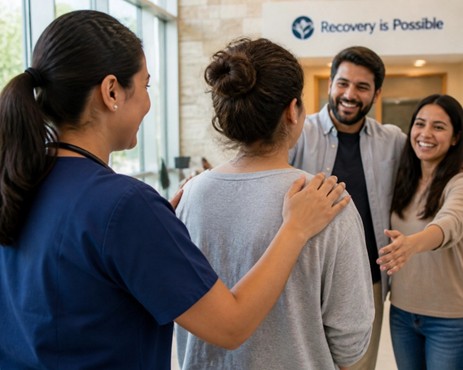
Recovery after incarceration is not only possible; it is happening every day within our walls. With the right treatment, a compassionate community, and your unwavering support, your loved one can build a life of purpose and sobriety. Let’s start that journey together.