

For over 50 years, Livengrin Foundation has stood as a pillar of support for the Philadelphia and Bucks County communities. We have seen the landscape of addiction change, but one thing remains constant: the people who run toward the danger are often the last ones to ask for help. Whether you are walking the beat in Philly, fighting fires in Camden, or rushing a patient to the ER in Bucks County, your job isn’t just what you do: it’s who you are.
But carrying the weight of everyone else’s emergencies takes a toll. When the stress of the job turns into a reliance on substances to numb the noise, general rehab programs often miss the mark. You don’t need a generic approach; you need a specialized framework that understands the “warrior culture” and the unique pressures of the front lines. First responder addiction treatment (FRAT) is de-signed to meet you where you are, acknowledging that your path to recovery requires a different set of tools.
The Cultural Gap in General Treatment
The reality is that most substance abuse treatment programs are designed for the general public. While these programs save lives, they often fail to address the specific psychological makeup of a first responder. When you are in a room with people who have never had to make a split-second life-or-death decision, there is a natural wall that goes up. You might feel like you have to filter your stories or “tone down” the trauma you’ve seen to avoid shocking others.
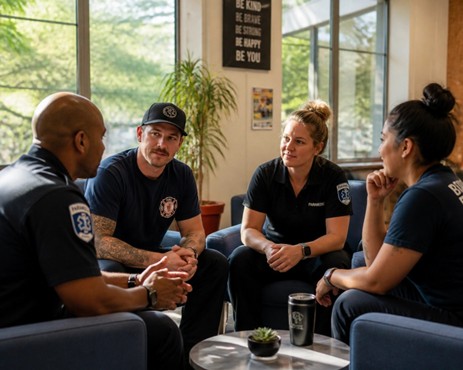
In a specialized first responder program, that wall doesn’t exist. You are surrounded by people who speak your language, understand your dark humor, and respect the code of silence you’ve lived by. This cultural competence isn’t just a buzzword; it’s the foundation of effective therapy. When you don’t have to explain the “why” behind your stress, you can get straight to the “how” of your recovery.
Understanding the Connection Between Trauma and Substance Abuse
First responders are exposed to more traumatic events in a single year than most people experience in a lifetime. This repeated exposure creates a unique condition known as “cumulative stress.” Over time, the brain’s alarm system gets stuck in the “on” position. This leads to hypervigilance, sleep disturbances, and irritability.
Many individuals in the service turn to substance abuse treatment because they were trying to “self-medicate” these symptoms. Alcohol or pills might start as a way to quiet the mind after a horrific shift or to finally get a few hours of sleep. Eventually, the solution becomes the problem. Specialized FRAT programs utilize trauma-informed care that treats the PTSD alongside the addiction. We don’t just look at the substance use; we look at the calls that led you there.
Peer-Driven Recovery: Speaking the Same Language
There is an old saying in the service: “No one gets it unless they’ve been in the boots.” This is the core philosophy of specialized recovery. When you sit in a group session at Livengrin, you aren’t just a patient; you are a peer.
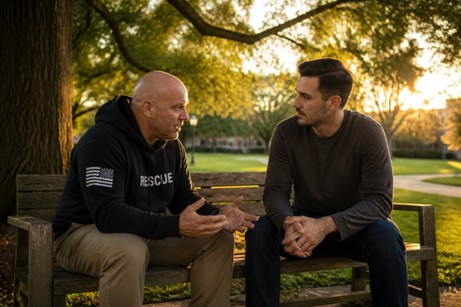
Peer support is arguably the most powerful tool in the FRAT arsenal. It breaks the isolation that addiction thrives on. For years, you may have felt like a “broken” version of the hero everyone thinks you are. Seeing a fellow officer or firefighter talk openly about their struggle gives you the permission to do the same. It shifts the narrative from “I am weak” to “I am injured and I am healing.”
Breaking the Warrior Ethos Barrier
First responders are trained to be the helpers, the fixers, and the protectors. The “Warrior Ethos” dictates that you must be stoic, invulnerable, and always in control. Asking for help is often viewed: internally: as a sign of weakness or a betrayal of the team. This mindset is what keeps people suffering in silence until a crisis occurs.
A specialized program redefines what strength looks like. It acknowledges that it takes more courage to face your internal demons than it does to run into a burning building. By framing recovery as “tac-tical training for the mind,” we meet patients where they are. We use structure, discipline, and clear objectives: concepts that already resonate with your professional training: to guide the clinical process.
Privacy and Career Protection
One of the biggest hurdles to seeking first responder addiction treatment is the fear of the “badge down” moment. You worry about your department finding out, losing your clearance, being placed on modified duty, or being judged by your peers. These are valid concerns, and general rehab centers often don’t have the protocols to handle the sensitivity of a first responder’s career.
At Livengrin, we prioritize confidentiality and understand the nuances of your profession. We know how to navigate the complexities of employee assistance programs (EAPs) and union representatives. Our goal is to help you get well and, whenever possible, get back to the job you love with the tools to stay there. We treat the individual with the dignity they deserve, ensuring that seeking help doesn’t feel like a career-ending move.
A Structured and Disciplined Approach
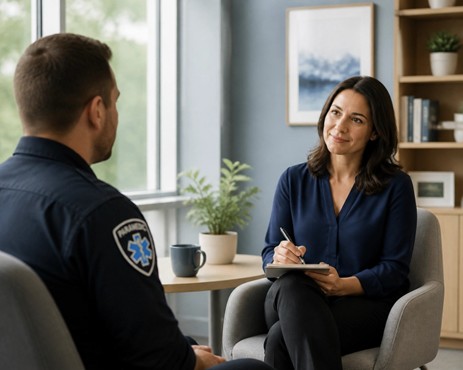
The transition from the high-stakes, highly structured environment of emergency services to the “soft” environment of a typical rehab can be jarring. Many first responders find standard programs too unstructured or “touchy-feely.”
Specialized FRAT programs often incorporate elements that mirror the discipline of service life. This might include:
- Structured Routines: Consistent schedules that provide a sense of
- Physical Training: Integrating fitness and nutrition as part of the recovery “mission.”
- Goal-Oriented Therapy: Clear milestones and “mission objectives” for
- Relapse Prevention for High-Stress Jobs: Specific strategies for managing triggers when you re-turn to the high-pressure environment of the street.
This specialized approach ensures that the transition back to work isn’t a shock to the system, but a natural progression of your training.
Involving the Family Unit
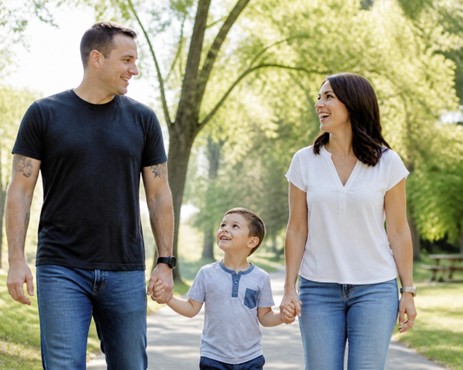
Addiction doesn’t just happen to the person in the uniform; it happens to the whole family. Spouses and children of first responders live with a unique set of stressors: the “empty chair” at dinner, the worry every time the phone rings, and the “second-hand trauma” of living with someone who is struggling.
A comprehensive substance abuse treatment plan must include the family. We offer education and support that helps your loved ones understand the nature of your job and the nature of your recovery. When the family learns how to support you without enabling the disease, the chances of long-term success skyrocket. We aim to heal the home front, so you have a solid foundation to return to.
The Path Forward: No Two Paths Look the Same
We know that no two paths to recovery look the same. A veteran police officer with 20 years on the force has different needs than a young EMT just starting out. That’s why we emphasize individualization. Whether it’s detox, residential care, or intensive outpatient programming, the plan is built around your specific life circumstances.
Recovery isn’t just about stopping the use of a substance; it’s about reclaiming your life, your family, and your career. It’s about rediscovering the person you were before the trauma and the substances took over. It is possible to be a great first responder and a person in recovery at the same time. In fact, many find that their recovery makes them better at their jobs: more empathetic, more resilient, and more focused.
Taking the First Step
If you are reading this and you recognize yourself in these words, know that you don’t have to carry the weight alone anymore. You have spent your career answering the call for others. It is time to answer the call for yourself.
Livengrin Foundation is here to be your partner in this journey. Our compassionate community of experts: many of whom have professional backgrounds in service themselves: is ready to help you navigate the road to wellness.
Don’t wait for a crisis to define your future.
If you or a loved one is struggling, reach out to us today. Your call is confidential, and our team is standing by to provide the support you need.
Contact Livengrin Foundation, Inc.
- Location: 4833 Hulmeville Road, Bensalem, PA 19020
- Phone: 215-638-5200
- Website: org
You’ve spent your life protecting the community. Let us help protect you. Recovery is possible, and it starts with a single, courageous conversation.