
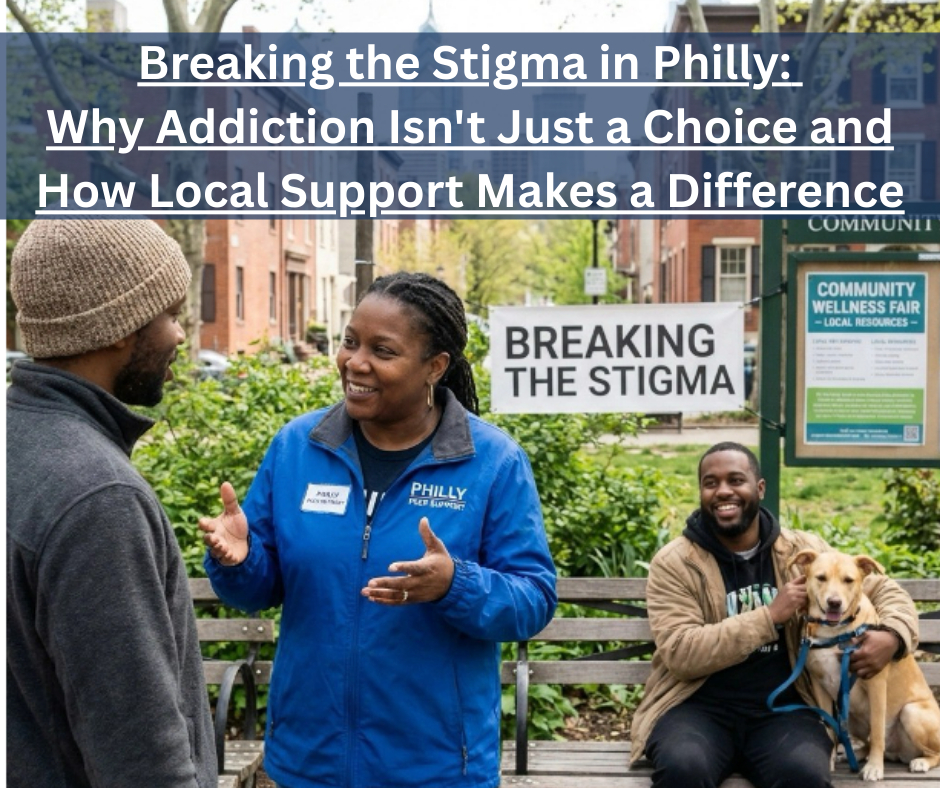
Breaking the Stigma in Philly: Why Addiction Isn’t Just a Choice and How Local Support Makes a Difference
For over 50 years, Livengrin Foundation has served families across Philadelphia and Bensalem, witnessing firsthand how deeply rooted misconceptions about addiction continue to harm our community. Every day, we meet individuals and families who’ve been told that addiction is simply a matter of willpower: a devastating myth that prevents people from seeking the help they desperately need.
The truth is far more complex and understanding it can literally save lives in our neighborhoods.
The Myth That’s Hurting Philadelphia Families
Walk through any Philadelphia neighborhood: from South Philly to Fishtown, from West Oak Lane to our own Bensalem community: and you’ll hear the same harmful narrative: “If they really wanted to stop, they would.” This oversimplified view of addiction has created a crisis of shame that’s keeping our neighbors, coworkers, and loved ones from getting help.
Addiction is not a choice. While the decision to first use substances may be voluntary, addiction fundamentally changes how the brain functions, making it a chronic medical condition rather than a moral failing. This isn’t just our opinion: it’s supported by decades of neuroscience research and recognized by every major medical organization.
The Philadelphia Department of Public Health has documented this shifting understanding in our city. In 2019, only 39% of Philadelphians viewed addiction as a chronic disease comparable to heart dis-ease or diabetes. By 2025, that number rose to 51%: progress, but not nearly enough to eliminate the stigma that’s still devastating families across our region.

What Science Tells Us About Addiction
When someone develops addiction, their brain undergoes physical changes that affect decision-making, impulse control, and the ability to experience pleasure from everyday activities. The areas of the brain responsible for judgment and self-control become compromised, while the reward pathways become hijacked by substances.
These changes explain why someone can simultaneously want to stop using substances and find themselves unable to do so. It’s not weakness: it’s biology.
Consider this: we wouldn’t tell someone with diabetes to just “try harder” to produce insulin, yet we routinely expect people with addiction to simply will themselves better. This double standard reflects our misunderstanding of addiction as a brain disease rather than a character flaw.
For Philadelphia families watching a loved one struggle, understanding this science can be revolutionary. It shifts the conversation from blame to compassion, from judgment to support, from hope-lessness to action.
The Real Cost of Stigma in Our Community
Stigma isn’t just hurtful words: it creates tangible barriers that prevent recovery and cost lives. Re-search shows that over 80% of Americans are unwilling to associate with those suffering from sub-stance use disorders, creating isolation that makes recovery even more challenging.
In Philadelphia, this stigma manifests in devastating ways:
- Employment barriers that keep people trapped in cycles of poverty and desperation
- Housing discrimination that forces families into unsafe situations
- Healthcare reluctance where people avoid medical treatment for fear of judgment
- Social isolation that cuts people off from crucial support networks
- Legal consequences that criminalize illness rather than treating it
The neighborhoods most affected by the opioid crisis: including areas like Kensington, Fishtown, Bridesburg, and Port Richmond: report that about 40% of residents say the crisis is worsening. Yet many of those same communities struggle to access culturally affirming, stigma-free treatment options.
How Philadelphia Is Fighting Back
Our city is beginning to recognize that stigma reduction requires meeting people where they are, not where we think they should be. Local initiatives are shifting away from one-size-fits-all approaches toward culturally affirming community engagement that partners with trusted messengers in churches, schools, businesses, and community organizations.
This matters because many people struggling with addiction don’t identify with traditional “drug user” stereotypes. They’re your neighbor, your coworker, your family member: and they need to see themselves reflected in recovery stories and support options.
Philadelphians increasingly favor treatment over punishment, understanding that helping someone with opioid use disorder is more effective than arrest and incarceration. This represents a fundamental shift in how our community views addiction: from criminal justice problem to public health priority.

The Power of Local Support Systems
Recovery happens in community. While addiction is a medical condition, healing requires more than just medical intervention: it needs supportive relationships, stable housing, meaningful work, and a sense of belonging.
This is where local support makes all the difference. When someone knows they can access treatment in their own neighborhood, surrounded by people who understand their specific challenges, recovery becomes not just possible but probable.
Local support systems offer:
- Cultural competency that understands the unique pressures facing different communities
- Geographic accessibility that removes transportation barriers
- Peer connections with others who’ve faced similar struggles
- Family involvement that heals relationships damaged by addiction
- Community integration that helps people rebuild their lives where they want to live
At Livengrin, we’ve seen how this localized approach transforms outcomes. When someone from Bensalem receives treatment that understands their community context, when a Philadelphia resident connects with peers who know their neighborhood challenges, recovery becomes sustainable.
Livengrin’s Role in Building a Compassionate Philadelphia
For over five decades, we’ve been part of the Philadelphia and Bensalem communities, not just treating addiction but working to change how our region understands and responds to this disease. Our approach recognizes that no two paths to recovery look exactly the same, and that healing hap-pens when we meet each person with dignity and compassion.
Our comprehensive services include:
- Medically supervised detoxification that ensures safe withdrawal from substances
- Residential treatment programs that provide intensive, round-the-clock support
- Outpatient services that allow people to maintain work and family responsibilities while getting help
- Family programming that heals relationships and builds supportive home environments
- Continuing care that provides ongoing support throughout the recovery journey
But our work extends beyond direct treatment. We’re actively involved in community education, helping to change conversations about addiction throughout the Philadelphia region. We partner with schools, businesses, healthcare providers, and community organizations to build understanding and reduce stigma.
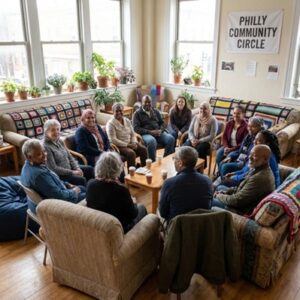
Real Stories, Real Hope
Every week, we witness remarkable transformations: people who were told they were “hopeless cases” rebuilding their lives and reconnecting with their families. We see parents reunited with their children, adults returning to meaningful work, and individuals rediscovering their sense of purpose and dignity.
These aren’t miraculous exceptions: they’re the predictable result of treating addiction as the chronic medical condition it is, with evidence-based interventions delivered in a supportive, non-judgmental environment.
Recovery is possible for everyone, regardless of how long they’ve struggled or how many times they’ve tried before. The science is clear, the treatments are effective, and the local support systems exist to make healing sustainable.
Moving Forward Together
Breaking stigma requires all of us. It means changing how we talk about addiction in our families, workplaces, and communities. It means supporting policies that prioritize treatment over punishment. It means recognizing that addiction can affect anyone: regardless of income, education, race, or back-ground.
Most importantly, it means understanding that seeking help for addiction is a sign of strength, not weakness. It takes tremendous courage to admit you need support, and even more courage to take action.
If you’re reading this and struggling with substance use, know that you’re not alone and you’re not broken. If you’re worried about a loved one, understand that your support: combined with professional help: can make all the difference in their recovery journey.
Philadelphia and Bensalem are becoming more compassionate communities, one conversation at a time. By replacing judgment with understanding and shame with support, we’re creating an environment where recovery isn’t just possible: it’s expected.
Your story doesn’t have to end with addiction. Recovery is waiting, and we’re here to help you take the first step.
Ready to learn more about how Livengrin can support you or your loved one? Call us at (215)
638-5200 or visit livengrin.org to speak with our compassionate intake team. Because in Philadelphia, everyone deserves a chance at healing: including you.