
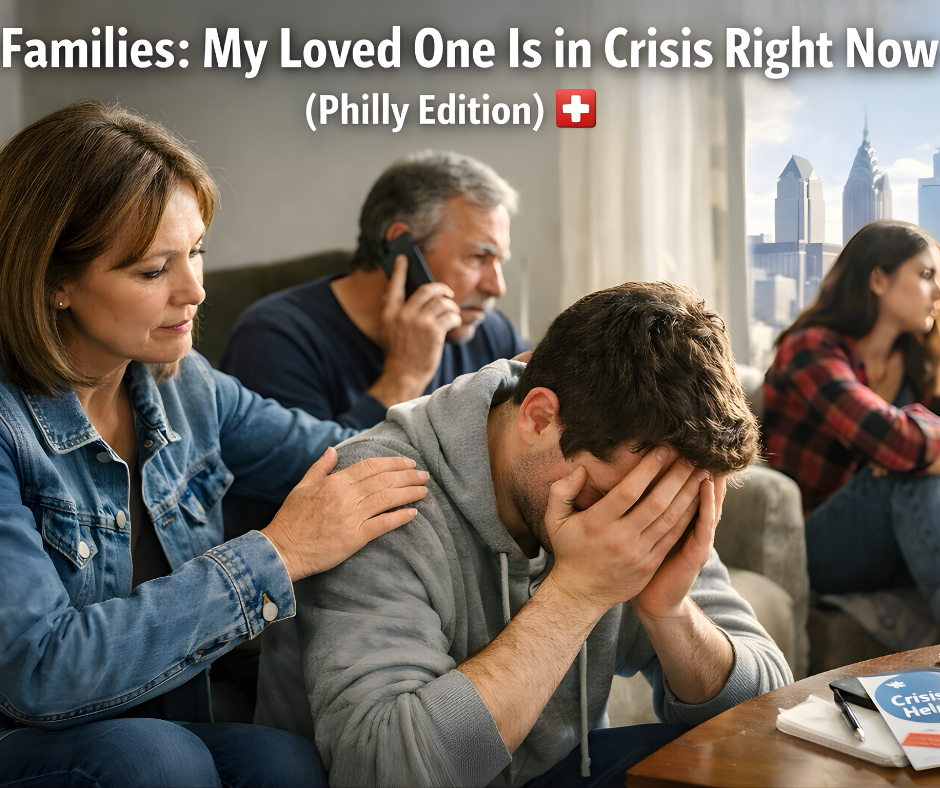
If you are reading this, you are likely in the middle of a storm. Perhaps you just discovered a hidden stash, received a terrifying phone call from a local precinct, or watched a loved one cross a line you never thought they’d reach. In Philadelphia and the surrounding suburbs, the weight of the addiction crisis is felt in every neighborhood, from the streets of Kensington to the quiet corners of Bucks County.
At Livengrin Foundation, Inc., we have stood beside families for 60 years. We have seen the fear in a parent’s eyes and the exhaustion in a spouse’s voice. We know that right now, you don’t need a sales pitch: you need a roadmap. You need to know what to do in the next hour, the next day, and the next week to keep your loved one safe and your family intact.
Recovery is possible, even when it feels invisible. No two paths look the same, but every journey be-gins with a single, decisive step toward professional care.
Immediate Steps: Safety First
Before navigating the landscape of Philadelphia rehab centers, your immediate priority is physical safety. If your loved one is currently overdosing, experiencing a severe mental health break, or ex-pressing suicidal ideation, do not wait.
- Call 911 or head to the nearest emergency room if there is an immediate medical
- Call 988: This is the Philadelphia Crisis Line (PCL). It provides free, 24/7 support and can help you access mobile crisis teams that meet your loved one where they are.
- Locate a Crisis Response Center (CRC): Philadelphia has dedicated centers for psychiatric and substance use emergencies.
- Friends Hospital Crisis Response Center: Available 24/7 for
- Philadelphia Children’s Crisis Response Center: Located at 3300 Henry Ave, specifically for youth ages 3-17.
Once the immediate physical danger is stabilized, the focus shifts to finding a long-term solution. This is where the complexity of the healthcare system often overwhelms families, but you do not have to navigate it alone.

Navigating Philadelphia Rehab Centers: Detox and Beyond
When a loved one is in crisis, the term “rehab” is used as a catch-all, but treatment is actually a continuum of care designed to meet patients where they are. Understanding these levels of care helps you advocate for the right placement.
1. Detox Rehab
For many, the first step is medical detoxification. Detox rehab is a clinically monitored process where individuals are safely tapered off substances under the care of medical professionals. Withdrawal from alcohol or benzodiazepines, in particular, can be life-threatening without supervision. Livengrin’s detox protocols focus on dignity and comfort, ensuring the individual is stabilized before moving into the therapeutic phase of recovery.
2. Residential Treatment
Once stabilized, residential treatment provides a structured, drug-free environment. This is where the “heavy lifting” of recovery happens: therapy, group sessions, and trauma-informed care. In our 60 years of experience, we’ve found that removing an individual from their immediate environment in Philly and placing them in a supportive community is often the catalyst for lasting change.
3. Outpatient Services
Recovery doesn’t end when a resident leaves our campus. For those who need to maintain work or family commitments, outpatient programs offer a flexible way to continue therapy and support.
When They Refuse Help: The Role of Intervention Services
One of the most heart-wrenching parts of a family crisis is when the loved one refuses to acknowledge the problem. You might feel stuck, waiting for them to “hit rock bottom.” However, at Livengrin, we believe you can raise the bottom by creating a structured opportunity for change.
Professional intervention services are not about confrontation; they are about communication. A trained interventionist helps the family set boundaries and present treatment as a gift rather than a punishment. If you are met with resistance, exploring intervention services can provide the professional leverage needed to move your loved one toward a “yes.”

Family Support in Addiction: You Need Care Too
It is a common misconception that the person using substances is the only one who needs treatment. Addiction is a family disease. While your loved one is struggling with a substance use disorder, you may be struggling with chronic stress, anxiety, isolation, and “compassion fatigue.”
Family support in addiction is a cornerstone of the Livengrin philosophy. We offer resources specifically designed to help families heal, regardless of whether their loved one is currently in our care.
- Fostering Recovery: Our Fostering Recovery program provides education and emotional support for family members.
- Community Support: We encourage families to engage with our community support networks to break the silence and stigma that often surrounds addiction in the Philadelphia area.
Remember: You cannot pour from an empty cup. Taking care of your own mental health is a vital part of supporting your loved one’s recovery.
What to Expect During the Admissions Process
The transition from “we need help” to “they are checked in” can happen quickly if you have the right information. We strive for transparency to reduce the anxiety of the unknown.
When you call our admissions team, here is the typical progression:
- The Initial Screening: A brief conversation to understand the substance use history and any co-occurring mental health needs.
- Insurance Verification: We work with a wide range of providers to ensure treatment is
- The Clinical Assessment: A deeper dive into the individual’s needs to determine if they require detox, residential, or outpatient care.
- Arrival: We provide clear guidelines on what to bring and what to expect upon arrival at our facili
Our staff includes board-certified physicians, licensed clinicians, and compassionate support staff who specialize in addiction medicine. We don’t just see a patient; we see a person with a story, a family, and a future.

Why 60 Years of Experience Matters
In the world of healthcare and addiction treatment, longevity is a testament to trust. Since 1966, Livengrin has been a fixture in the Pennsylvania recovery community. We have evolved alongside the science of addiction, moving from a simple abstinence model to a comprehensive, holistic approach that addresses the mind, body, and spirit.
We are a non-profit organization, which means our primary focus is always the patient’s well-being. This mission-driven approach allows us to offer specialized programs, such as our Workforce Program for professionals and our dedicated services for DUI-related needs.

Taking Action Today
A crisis is a turning point. While it feels like the end of the world, it can actually be the beginning of a new chapter. You do not have to have all the answers today; you only need to know who to call.
If you are in the Philadelphia area and your family is in crisis:
- Assess the immediate risk: Use 911 or local CRCs for medical
- Gather information: Have your loved one’s insurance information and a general idea of their sub-stance use history ready.
- Reach out for professional guidance: Contact an admissions specialist who can explain the next steps for detox rehab or residential care.
- Connect with support: Don’t Reach out to family support groups or look into our upcom-ing events for more information on how to get involved.
Recovery is a marathon, not a sprint, and the first mile is often the hardest. Let us walk it with you.
For immediate assistance and to learn more about how we can help your family, visit our Admissions Page or call us directly. Your loved one’s journey to health starts with the courage you are showing right now.