
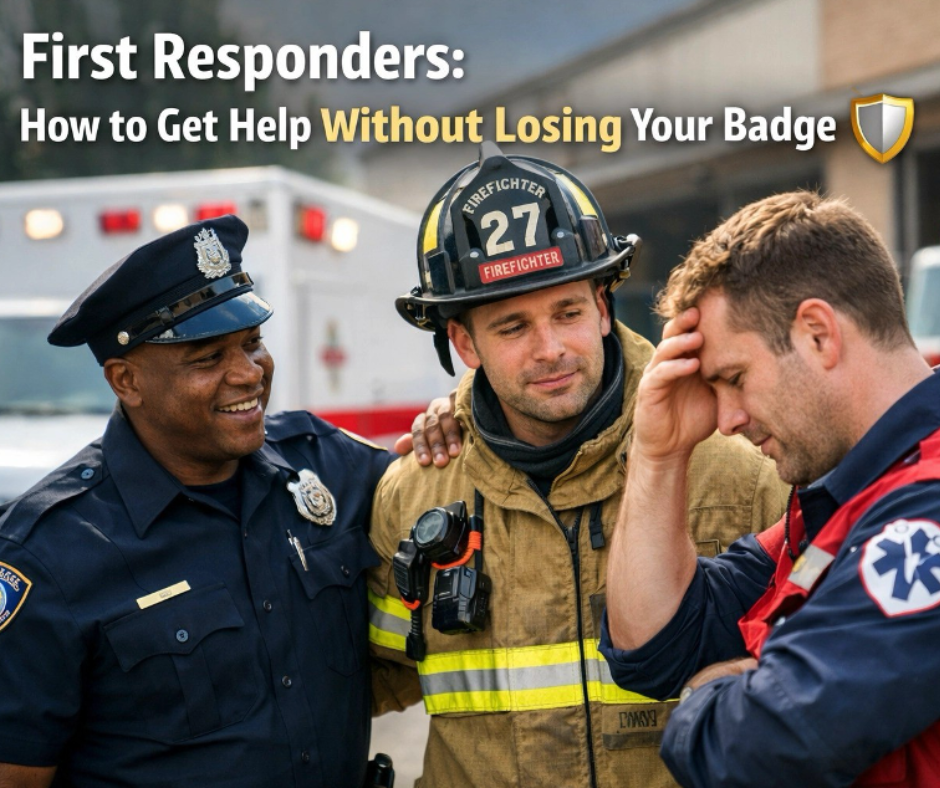
For over 50 years, Livengrin Foundation has served as a cornerstone of recovery in the Greater Philadelphia area, reaching across Pennsylvania, New Jersey, Delaware, and New York. We understand that for a first responder, the weight of the badge isn’t just physical: it’s emotional, mental, and cultural. When you are the one everyone calls in a crisis, admitting that you are in a crisis of your own can feel like an impossible hurdle.
The fear is real: “If I speak up, will I be fit for duty? Will my department find out? Will I lose my career?”
At Livengrin, we have spent decades refining our approach to first responder addiction treatment. We know that your needs are different from the general population. You deal with high-stress environments, sleep deprivation, and cumulative trauma that most people will never experience. Most importantly, we understand that for you, confidentiality isn’t just a preference: it’s a professional necessity.
The Culture of Silence and the Weight of the Badge
First responders: police officers, firefighters, EMTs, and dispatchers: are trained to be the helpers, not the ones helped. This “suck it up” mentality is often a survival mechanism on the job, but it can be-come a barrier to health when the shift ends. Over time, the pressure of the job can lead to self-medication. Whether it’s alcohol to dull the adrenaline after a high stakes call or prescription meds to manage chronic pain, the transition from “coping” to “addiction” is often subtle.

Acknowledge this truth: You aren’t weak because you are struggling. You are human, and your brain is reacting to an extraordinary amount of stress. Seeking substance abuse treatment is a tactical decision. It is an investment in your longevity, your family, and your ability to continue serving your community with honor.
Will I Lose My Badge? Addressing the Fear Head-On
The most common reason first responders avoid addiction treatment centers is the fear of professional consequences. However, the reality is often the opposite of what you fear.
- Confidentiality is Protected by Law: Federal laws, including HIPAA and 42 CFR Part 2, provide stringent protections for individuals seeking treatment for substance use Your clinical records are private.
- Proactive Reactive: Departments generally look more favorably on a member who self-identifies a problem and seeks help proactively than on someone whose performance or safety is com-promised on duty.
- The ADA and FMLA: Many first responders are protected by the Americans with Disabilities Act (ADA) and the Family and Medical Leave Act (FMLA), which can provide job-protected leave for
- Peer-to-Peer Privacy: Choosing a program that understands first responder culture means you are surrounded by people who respect the code of silence regarding your identity and profession-al standing.
Livengrin’s FRAT Program: Designed by Responders, for Responders
We don’t believe in a one-size-fits-all approach. At Livengrin, we offer the First Responder Addiction Treatment (FRAT) program. This isn’t just a track within our general services; it is a specialized environment tailored specifically to your unique experiences.
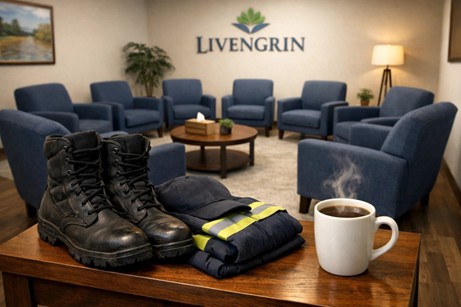
Our FRAT program is built on the foundation of cultural competency. We employ staff who are either retired first responders themselves or clinicians who have spent years working exclusively with the frontline community. When you speak about a “bad call” or the specific politics of the precinct, you don’t have to explain the context: we already get it.
What Makes FRAT Different?
- Peer-Driven Support: You will be in groups with other first This creates an environment of mutual respect and understanding where you can speak freely without fear of judgment from civilians who don’t understand the job.
- Trauma-Informed Care: We go beyond traditional talk therapy. Our clinicians utilize evidence-based techniques like Cognitive Behavioral Therapy (CBT) and Eye Movement Desensitization and Reprocessing (EMDR) to help process the underlying trauma that often fuels substance use.
- Family Integration: We recognize that your career affects your home Our program includes resources for spouses and children to help heal the family unit.
- Career-Focused Planning: We help you navigate the return-to-work process, ensuring you have the tools to maintain your sobriety while returning to a high-stress environment.
The Process: What to Expect
Transparency builds trust. When you reach out to Livengrin, here is how we meet you where you are:
- Confidential Consultation: Your first contact is We discuss your needs, your substance use history, and your professional concerns.
- Assessment: We determine the appropriate level of care, whether that is medically monitored detoxification, residential treatment, or intensive outpatient services.
- Personalized Treatment Plan: No two paths look the We create a plan that addresses your specific triggers, health needs, and professional goals.
- Integration into the FRAT Community: You join a cohort of peers who understand the unique burdens of the badge.

Beyond the Program: The Power of the Alumni Network
Recovery doesn’t end when you leave our doors. One of the greatest strengths of Livengrin is our ro-bust alumni community. For first responders, the isolation of post-treatment life can be a major trig-ger. Having a network of peers who are also walking the path of sobriety is vital.
We host regular alumni meetings to keep our community connected and supported. You can find a schedule of these meetings to see the breadth of our support network:
These meetings are more than just a check-in; they are a reminder that you are part of a compassion-ate community that looks out for its own.
Immediate Resources for First Responders
If you aren’t ready to walk into a treatment center today, there are confidential resources available right now that allow you to speak with someone who understands:
- Copline (800-267-5463): A 24-hour hotline answered by retired
- Crisis Text Line: Text “BADGE” to 741741 for immediate, confidential
- Frontline Helpline (866-676-7500): Staffed by former first
These services offer a “warm-line” for those moments when the pressure feels like it might break you, but you aren’t yet sure about the next steps.

Taking the First Step Toward Healing
Addiction thrives in isolation and grows in the shadows of “I’m fine.” But the bravest thing you can do is recognize when the gear you’re carrying has become too heavy to lift alone. Choosing a first responder addiction treatment program at Livengrin means choosing a partner who respects your service, protects your privacy, and honors your dignity.
Recovery is possible. You can get your life back, keep your career, and return to the job with a renewed sense of purpose and a clearer mind.
Actionable Next Steps
- Call for a Confidential Inquiry: Reach out to our admissions team and specifically ask about the FRAT program.
- Verify Your Insurance: We work with many providers to ensure that your treatment is
- Speak to a Peer: If you’re hesitant, ask to speak with one of our first responder liaisons who can answer your questions from a peer perspective.
You’ve spent your career answering the call for others. It’s time to answer the call for yourself. Visit livengrin.org to learn more about how we can help you protect your badge while saving your life.