
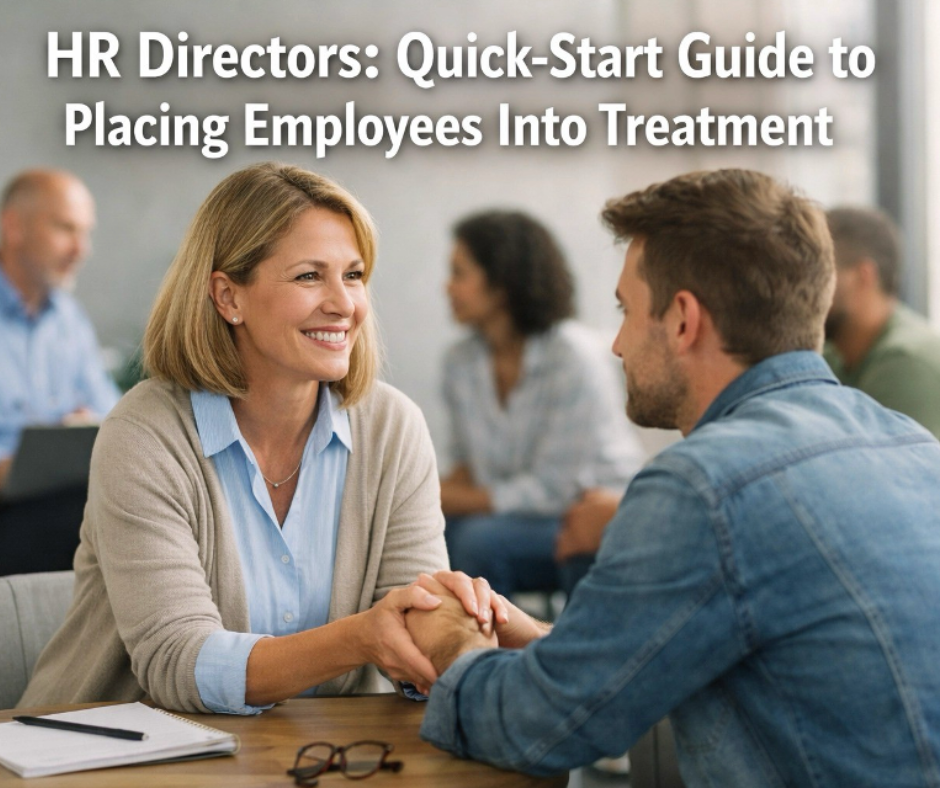
For over 50 years, Livengrin Foundation has served as a cornerstone of recovery in the Pennsylvania and New Jersey regions. With our deep roots in the community and a legacy of clinical excellence, we understand that substance use disorder doesn’t just stay at home: it follows employees into the office, the warehouse, and the boardroom. As an HR Director, you aren’t just managing personnel; you are often the first line of defense in saving a career and, potentially, a life.
Navigating the complexities of workforce professional recovery requires a delicate balance of legal compliance, corporate policy, and human compassion. When a valued team member is struggling, the goal is clear: get them the help they need while protecting the organization’s interests. This guide is designed to provide you with a streamlined, professional roadmap for transitioning an employee from crisis to clinical care.
1. Document and Verify (The Fact-Finding Phase)
Before any conversation takes place, it is vital to move from suspicion to documentation. As a professional, you know that making assumptions about “bloodshot eyes” or “smelling like alcohol” can be risky, as these could stem from medical conditions or medication side effects.
Focus on observable behavioral changes and job performance metrics:
- Safety Incidents: Are there near-misses or actual accidents?
- Attendance Patterns: Is there a pattern of “Monday morning flu” or frequent, unexplained disappearances during the shift?
- Performance Declines: Is a high-performer suddenly missing deadlines or producing subpar work?
- Interpersonal Friction: Are there new, uncharacteristic outbursts or isolation from the team?
Gather statements from supervisors and keep these records strictly confidential. This documentation serves as the foundation for a supportive, non-accusatory intervention rather than a disciplinary confrontation.
2. Initiate a Compassionate Conversation
The way you approach an employee can determine their willingness to accept help. At Livengrin, we believe in treating every individual with the utmost dignity. When you sit down with the employee, ensure the setting is private and that you have ample time.
Use “I” statements to express concern: “I have noticed some changes in your performance lately, and I am concerned about your well-being.”
Avoid labels like “alcoholic” or “addict.” Instead, focus on the impact their behavior is having on their role. Expect defensiveness or denial: this is a standard part of the disease of addiction. Your role isn’t to diagnose them; it’s to offer a bridge to professional intervention services.

3. Understand Your Legal Safeguards
Before the meeting, brush up on the legal protections surrounding addiction in the workplace. Sub-stance use disorders are often covered under the Americans with Disabilities Act (ADA) and the Family and Medical Leave Act (FMLA).
- ADA: Addiction is often considered a You are generally required to engage in an “inter-active process” to determine if reasonable accommodations can be made.
- FMLA: Employees may be eligible for job-protected leave to attend an inpatient drug rehab or alcohol rehab
- Confidentiality: Every piece of information shared during this process must be handled with the same level of privacy as any other sensitive medical record.
Knowing these regulations allows you to speak with authority and provide the employee with the re-assurance that their job may be protected if they choose the path of recovery.
4. The Power of a Workforce Professional Recovery Partner
One of the biggest hurdles HR Directors face is not knowing where to send an employee once they agree to help. This is where a partnership with established addiction treatment centers like Liven-grin Foundation becomes invaluable.
Livengrin’s Workforce Program is specifically designed to act as an extension of your HR department. We provide:
- Priority Admissions: When an employee is ready to go, time is of the We streamline the admissions process to minimize the window for second-guessing.
- Workplace-Specific Tracks: Our “Workforce Professionals Journey” recognizes that doctors, lawyers, pilots, and executives face unique pressures and professional consequences.
Direct Communication: With the employee’s consent, we provide regular updates to HR or the EAP regarding attendance and progress, ensuring you are never left in the dark about their status.

5. Referring to a Professional Clinical Assessment
You should never be in the position of deciding what level of care an employee needs. Once the employee acknowledges the need for help, the next step is a professional assessment.
Livengrin offers comprehensive evaluations to determine the appropriate level of care, whether it’s:
- Inpatient Detox and Residential Treatment: For those who need a safe, medical environment to
- Outpatient Programs: For employees who may be able to continue working while receiving in-tensive outpatient
- Specialized Counseling: Tailored to the specific stressors of their career
By referring them to a clinical expert, you ensure the employee gets a personalized plan: because in addiction treatment, “no two paths look the same.”
6. Developing a Reintegration (Return-to-Work) Plan
Recovery doesn’t end when the employee leaves treatment; in many ways, that’s where the real work begins. A successful return to the workplace requires a structured plan.
As an HR Director, you can support this transition by:
- Phased Re-entry: Allowing for a part-time schedule for the first week or
- Accommodating Aftercare: Ensuring the employee can attend aftercare and relapse prevention meetings or outpatient sessions.
- Clear Expectations: Outlining what is expected regarding performance and conduct moving for-
- Ongoing Support: Reminding them of internal resources and community support

Why Partnership Matters
Livengrin Foundation doesn’t just treat patients; we partner with companies to build healthier workforces. By establishing a relationship with us before a crisis hits, you ensure that your EAP and HR team have a trusted, compassionate resource ready at a moment’s notice. We meet patients where they are: geographically and emotionally: serving the greater Philadelphia area and beyond with a commitment to long-term success.
Ready to strengthen your EAP referral process? Explore our Workforce Professionals Journey or contact our team today to learn how we can support your organization’s health and productivity.