

At Livengrin Foundation, we have been a cornerstone of the Greater Philadelphia and New Jersey recovery community for over 60 years. Our campus in Bucks County has seen the landscape of addiction change many times, but few shifts have been as concerning or as visible as the rise of xylazine, commonly known as “tranq.”
If you are a family member watching a loved one struggle in Kensington, North Philly, or across the bridge in South Jersey, you have likely heard this name. You may have seen the heartbreaking news reports or noticed physical changes in your loved one that don’t align with “typical” opioid use. We understand the fear and confusion this creates. Our goal is to provide you with clear, evidence-based information and the reassurance that even in the face of these new challenges, recovery is absolutely possible.
Here are 10 things families in our region need to know about xylazine and how we can navigate this crisis together.
1. What Exactly is Xylazine?
Xylazine is not an opioid. It is a powerful non-opioid sedative, analgesic, and muscle relaxant specifically designed for veterinary use: primarily for large animals like horses and cattle. It was never in-tended or approved for human consumption. In the drug supply, it is often referred to as “tranq,”
“tranq dope,” or the “zombie drug.” Because it is inexpensive and widely available in the veterinary world, it has become a primary cutting agent in the illicit drug market.
2. The Epicenter is Right in Our Backyard
While xylazine is spreading across the United States, Philadelphia: specifically, the Kensington neighborhood: has been identified as a major epicenter for its use. In the last decade, the presence of xylazine in overdose deaths in Philadelphia has skyrocketed. What started as a small percentage of samples has grown to be present in over 90% of the street fentanyl in the city. This means if your loved one is purchasing drugs in the Philly or Camden area, they are almost certainly being exposed to xylazine, whether they know it or not.

3. Why It Is Mixed with Fentanyl
You might wonder why dealers add a cattle tranquilizer to the supply. The primary reason is that it “boots” or extends the duration of the fentanyl high. Fentanyl provides a powerful but short-lived euphoria. By adding xylazine, the effects are prolonged, mimicking the longer-lasting high of traditional heroin. This makes the drug more “marketable” to individuals with a high tolerance, but it also makes the substance significantly more dangerous to the human body.
4. The “Zombie” Effect: Heavy Sedation
The nickname “zombie drug” comes from the extreme level of sedation xylazine causes. Because it is a central nervous system depressant, it “puts the brain to sleep.” Individuals using tranq may appear to be in a deep, unresponsive stupor for hours. They may be slumped over in positions that cause
nerve damage or physical injury because they are too sedated to move. This level of sedation increases the risk of sexual assault, robbery, and environmental exposure for those living on the streets.
5. The Narcan Dilemma
This is perhaps the most critical piece of information for families. Naloxone (Narcan) does not re-verse the effects of xylazine. Narcan is designed to knock opioids off the brain’s receptors. Since xylazine is a sedative and not an opioid, Narcan has no effect on it.
However, because xylazine is almost always mixed with fentanyl, you must still administer Narcan during a suspected overdose. It will reverse the fentanyl portion of the overdose, which may be enough to save the person’s life. If the person starts breathing again but remains unconscious or heavily sedated, it is likely the xylazine at work. At this point, rescue breathing and professional medical intervention are vital.
6. Severe and Atypical Skin Ulcers
One of the most harrowing side effects of xylazine is the development of severe skin wounds. These are not your typical injection-site abscesses. Xylazine causes blood vessels to constrict, which reduces blood flow to the skin and prevents healing. These wounds:
- Can appear anywhere on the body, not just where the drug was
- Often appear as “crusty” black tissue (eschar).
- Can lead to deep infections that reach the bone or require amputation if left
- Require specialized clinical wound care that goes beyond standard addiction
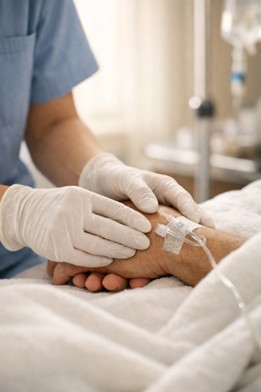
At Livengrin, our clinical team is trained to monitor these complex physical symptoms as part of our medical detox services.
7. Withdrawal is a Different Beast
Because xylazine affects different parts of the brain than opioids, the withdrawal process is unique. Individuals may experience extreme anxiety, irritability, and a profound sense of unease that standard opioid withdrawal medications (like Suboxone) don’t fully address. There can also be dangerous spikes in blood pressure and heart rate. This complexity is why a supervised, professional medical detox is more important now than ever. We meet patients where they are, managing both the opioid and the sedative withdrawal simultaneously to ensure safety and comfort.
8. It Doesn’t Stop at the Bridge
If you live in South Jersey or the Pennsylvania suburbs, do not assume this is strictly a “city problem.” The drug supply is highly mobile. We are seeing xylazine-related cases across our entire service area. Families in suburban NJ and PA should be just as vigilant and informed as those in the heart of the city. Education is the first step in protecting your family and your community.
9. You Can Test for It
Just as fentanyl test strips became a vital tool for harm reduction, xylazine test strips are now avail-able. These strips allow individuals to test a small amount of a substance to see if “tranq” is present. While the safest path is always professional treatment, knowing what is in the supply can help families and individuals understand the specific risks they are facing. We encourage families to look into com-munity support resources that provide these tools and education.
10. Recovery is Possible with the Right Support
The headlines about “tranq” can feel hopeless, but we want you to know that there is always a path forward. At Livengrin, we don’t just treat the addiction; we treat the whole person. Our 60 years of experience have taught us that no two paths look the same. We combine medical expertise with a com-passionate community to help individuals regain their dignity and health.
Whether it is through our inpatient programs or our specialized outpatient services, we provide the structure and clinical oversight necessary to navigate the complexities of modern substance use dis-orders. Our team of doctors, nurses, and counselors understands the specific challenges posed by xylazine and is equipped to handle them with the care and respect your loved one deserves.
Taking the Next Step
If you are worried about a family member and suspect xylazine may be involved, don’t wait for the situation to escalate further. The physical toll of this drug is rapid, but intervention can stop the cycle.
You are not alone in this. We have been helping families in Philly, Bucks County, and New Jersey find hope for six decades, and we are here for you now.
Contact us today to learn more about our treatment options and how we can help your family start the journey to recovery.
- Visit our website: org
- Explore our specialties: Livengrin Specialties
- Find community and family support: Support Resources
Recovery starts with a single, courageous conversation. Let’s have that conversation today.