
Since 1966, Livengrin Foundation has been a trusted name in addiction treatment throughout the Greater Philadelphia area. Our mission is rooted in compassion, expertise, and a belief that recovery is always possible. For individuals and families facing the complex challenges of substance use disorder, understanding the stages of addiction treatment is essential to building a path forward.
This blog will walk you through what treatment looks like at Livengrin, what to expect when you’re admitted, the difference between inpatient and outpatient care, and how our highly qualified clinicians personalize treatment for every patient.
Whether you’re seeking help for yourself or someone you love, understanding the roadmap can bring clarity and hope.
Admission at Livengrin: The First Step to Healing
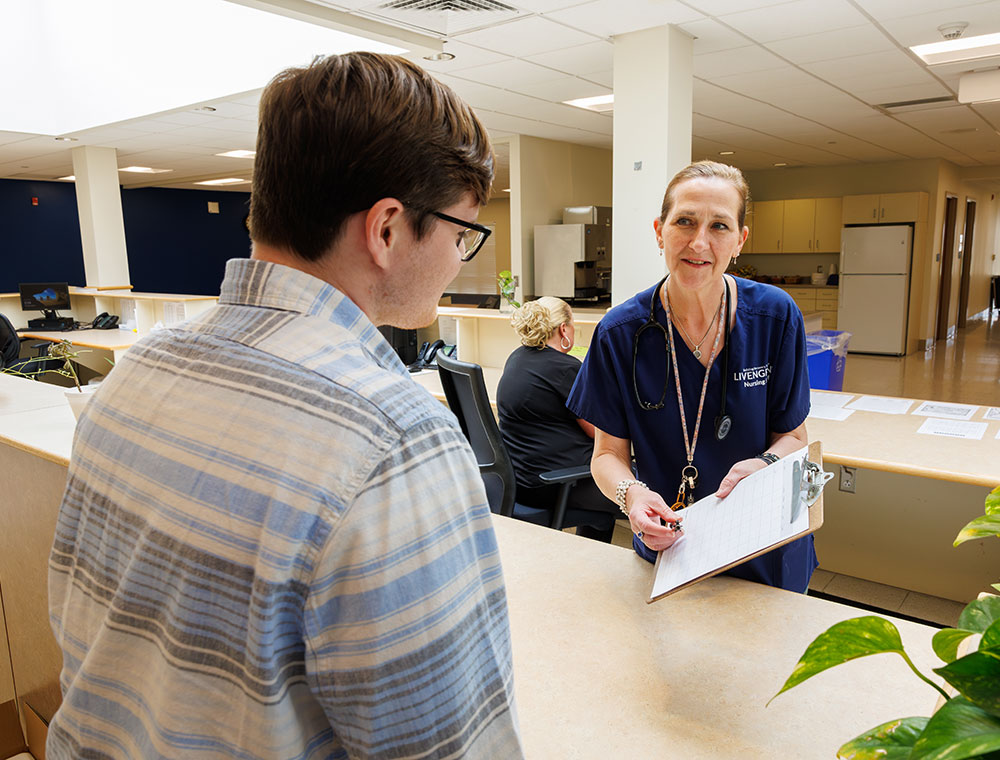
When someone reaches out to Livengrin, they’re often in crisis. That’s why our admissions team works quickly and compassionately to guide patients into care. From the initial phone call or online inquiry, patients and families are met with urgency, dignity, and support.
Once admitted, each patient receives a comprehensive assessment. This includes a review of substance use history, co-occurring mental health conditions, medical background, and social/environmental factors. Unlike many treatment centers that take a one-size-fits-all approach, Livengrin believes deeply in individualized treatment. The information gathered informs the treatment plan tailored to the patient’s needs, goals, and readiness for change.
What Does “Individualized Treatment” Mean at Livengrin?
No two paths to addiction look the same—and no two paths to recovery should either.
Individualized treatment at Livengrin means that we meet patients where they are. Some come to us in need of medical detox and stabilization; others need continued structure after a recent relapse; many are navigating both substance use and co-occurring mental health issues. Our team evaluates every aspect of a patient’s life to ensure their treatment plan reflects their unique needs.
We also offer specialized tracks, including programming for first responders, veterans, healthcare workers, and those with gambling or DUI-related issues. The goal is not only sobriety but long-term recovery and reintegration into a fulfilling life.
Inpatient vs. Outpatient Treatment: What’s the Difference?
Livengrin offers a full continuum of care, including inpatient (residential) treatment and several levels of outpatient treatment. Each level is designed to meet patients where they are in their recovery journey.
Inpatient Treatment (Residential Rehab):
Patients live on-site and receive 24/7 support. Inpatient care is often the best option for those who:
- Are in early recovery or active addiction
- Require detoxification
- Need a structured, drug-free environment
- Lack a safe or supportive home setting
Our inpatient program includes medical care, individual and group therapy, family education, medication-assisted treatment (if appropriate), and holistic options like art therapy, fitness, and spirituality groups.
Outpatient Treatment:
Outpatient services are offered in varying levels of intensity:
- Partial Hospitalization Program (PHP): A structured program for 20+ hours per week. Ideal for those stepping down from inpatient care or who need a high level of support while living at home.
- Intensive Outpatient Program (IOP): 9-12 hours of therapy per week, often scheduled in the evening. This allows patients to work, attend school, or care for their families while still receiving consistent support.
Which Program Is Right for You?
Determining the right level of care depends on many factors, including:
- The severity and duration of substance use
- Mental health needs
- Physical health
- External obligations (work, childcare, etc.)
- Motivation for recovery
Patients may move between levels of care as their needs change—for example, stepping down from inpatient to IOP, or starting with PHP after a relapse. Flexibility and clinical oversight are key.
Our Team: Qualified, Compassionate, Experienced
Livengrin’s clinicians bring a wide range of expertise to every patient’s recovery plan. Our team includes:
- Licensed therapists and counselors
- Psychiatrists and nurse practitioners
- Certified addiction professionals
- Case managers and recovery support staff
Many members of our staff have lived experience with addiction and recovery. That personal understanding enhances their clinical skill and creates a deeper connection with patients.
Every clinician at Livengrin is committed to evidence-based care. We use modalities such as Cognitive Behavioral Therapy (CBT), Dialectical Behavioral Therapy (DBT), Motivational Interviewing (MI), trauma-informed care, and family systems approaches.
Livengrin’s clinicians work closely with each patient to explore underlying causes of addiction, build coping skills, and design realistic, long-term recovery strategies. This therapeutic alliance—rooted in trust and respect—is one of the strongest predictors of recovery success.
Aftercare and Long-Term Support
Addiction is a chronic disease, and recovery is a lifelong process. That’s why we emphasize robust aftercare planning. Before a patient completes their treatment at Livengrin, our team works with them to design a plan for the future. This may include:
- Ongoing outpatient therapy
- Peer recovery support groups
- Family counseling
- Alumni engagement opportunities
- Sober living referrals
We help patients build recovery capital—the internal and external resources that sustain sobriety over time.
The Livengrin Difference
When patients and families choose Livengrin, they’re choosing more than a treatment program. They’re choosing a trusted partner in recovery, backed by nearly six decades of experience, evidence-based care, and a compassionate community of professionals.
Whether you’re reaching out for the first time or returning for continued support, Livengrin is here to walk the road to recovery with you.
To learn more about our services or begin the admissions process, visit livengrin.org or call us at 215-638-5200.