
For over five decades, Livengrin Foundation has walked alongside Philadelphia families navigating the complex journey of addiction. We’ve learned that addiction doesn’t happen overnight, it develops through seven distinct, recognizable stages. Understanding these stages can help you identify warning signs early and take action before a loved one reaches crisis.
Whether you’re worried about a teenager experimenting with substances or an adult family member whose drinking has changed, recognizing where someone falls on this continuum can save lives.
Here’s what every family needs to know.
Why the Stages Matter
 Addiction is a progressive disease that affects the brain’s reward, motivation, and memory systems. Each stage represents deeper neurological changes that make it increasingly difficult for someone to stop using substances on their own.
The good news?
Early intervention at any stage dramatically improves outcomes.
Stage 1: Initiation – The First Experience
Initiation begins with first-time substance use, often triggered by curiosity, peer pressure, or stress. Most people who develop addiction try their substance of choice before age 18, making this stage particularly relevant for Philadelphia families with teens.
What you might notice:
- Coming home late with unusual behavior
- New friend groups or secretive conversations
- Money or items missing from the house
- Strong mints, eye drops, or cologne to mask odors
At this stage, there’s no physical dependence, just experimentation. Many people try substances once and never use again, but certain risk factors increase the likelihood of progression.
Stage 2: Experimentation – Deliberate Exploration
During experimentation, your family member begins using substances more intentionally, typically in social settings. They can still choose whether to use, and there are no cravings yet.
Warning signs include:
- Weekend-only use that seems controlled
- Trying different substances or methods of use
- Researching substances online
- Justifying use as “normal” or “everyone does it”
The key difference between initiation and experimentation is intent. Your loved one is now actively seeking opportunities to use substances, though they still maintain some control.
Stage 3: Regular Use – Patterns Emerge
 Regular use develops when occasional experimentation becomes routine consumption. Your family member may not use daily, but a recognizable pattern emerges, perhaps every Friday night or after stressful days at work.
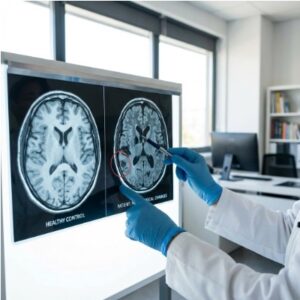
Brain changes accelerate during this stage. The reward system adapts to regular substance expo-sure, reducing natural dopamine production and creating tolerance. You might notice:
- Predictable times when they use substances
- Beginning to use alone rather than just socially
- Mild withdrawal symptoms like irritability or mood changes
- Responsibilities occasionally neglected
This stage represents a critical window for intervention before physical dependence develops.
Stage 4: Risky Use – Consequences Begin
Risky use is characterized by continued substance consumption despite clear negative consequences. This is when families typically realize something is seriously wrong.
Red flags include:
- Stealing or borrowing money frequently
- Hiding substance use or lying about it
- Dangerous behaviors like driving under the influence
- Loss of interest in hobbies, sports, or activities they once enjoyed
- Visiting multiple doctors for prescriptions
- Dramatic changes in friend groups
The brain’s decision-making centers become increasingly impaired during this stage. The pre-frontal cortex functions poorly, diminishing the ability to weigh risks and consequences. Impulsivity takes precedence over rational thinking.
Stage 5: Dependence – Loss of Control Begins
 Dependence emerges when your family member loses control over substance use and experiences withdrawal symptoms when trying to stop. Both physical and psychological dependence develop.
Physical withdrawal signs:
- Nausea, sweating, tremors
- Sleep disturbances
- Irritability and anxiety
- Headaches and muscle aches
Psychological dependence signs:
- Using substances to cope with any stress
- Feeling unable to function without substances
- Panic when substances aren’t available
- Complete emotional reliance on substances
At this stage, the brain’s reward system and stress regulation pathways become severely disrupted. Your loved one isn’t choosing to use, their brain is demanding it.
Stage 6: Addiction – Complete Compulsion
Addiction represents the shift from dependence to compulsive substance use. Obtaining and using substances becomes the priority over relationships, responsibilities, and health. Your family member can no longer control their use and feels unable to deal with life without substances.
Behavioral changes include:
- Compulsive lying about use
- Extreme agitation when questioned
- Complete neglect of personal hygiene
- Isolation from family and old friends
- Financial instability or legal problems
- Severe mood swings and personality changes
The brain’s reward system becomes “hijacked” by substance use, while areas responsible for self-regulation weaken, creating a cycle of craving and relapse that feels impossible to break.
Stage 7: Crisis/Treatment – Rock Bottom
The final stage occurs when substance use leads to severe consequences requiring immediate intervention. This is often when families first reach out for help, though earlier intervention is always preferable.
Crisis indicators:
- Overdose or near-death experiences
- Suicidal thoughts or attempts
- Arrest or legal charges
- Loss of housing or employment
- Severe health complications
- Complete emotional breakdown
At this point, professional treatment becomes essential to address both physical and psychological aspects of addiction.
Debunking Common Myths
Myth: “They have to hit rock bottom first.” Reality: Intervention at any stage improves outcomes. You don’t need to wait for crisis.
Myth: “If they really wanted to stop, they would.” Reality: Addiction causes brain changes that make stopping extremely difficult without professional help.
Myth: “Relapse means treatment failed.” Reality: Addiction is a chronic condition. Relapse can be part of recovery, not failure.
When to Seek Professional Help
If you recognize your loved one in Stage 3 or beyond, reaching out for professional help is critical.
At Livengrin, we meet patients where they are, whether they’re in early regular use or full-blown crisis. Our comprehensive approach includes:
- Medical detoxification when needed
- Individual and group therapy
- Family counseling and support
- Aftercare planning
- Support groups for families
Remember: addiction is treatable, and recovery is possible. The earlier you intervene, the better the outcomes for your entire family.
Frequently Asked Questions
Q: How quickly do people progress through these stages? A: It varies widely. Some people move through stages over months, others over years. Age, genetics, mental health, and substance type all influence progression speed.
Q: Can someone skip stages? A: While most people progress sequentially, certain substances (like fentanyl) or circumstances (like trauma) can accelerate progression.
Q: Is addiction really a disease? A: Yes. The American Medical Association, American Society of Ad-diction Medicine, and World Health Organization all recognize addiction as a chronic medical condition affecting brain function.
Q: What should I do if I suspect someone is in the early stages? A: Express concern without judgment, gather information about treatment options, and consider attending a family support group to learn more about addiction and recovery.
Q: How successful is addiction treatment? A: Very successful when approached comprehensively. According to recent studies, people who complete treatment programs have significantly higher long-term recovery rates than those who don’t receive professional help.
If you’re ready to take the next step or need someone to talk through your concerns, contact Liven-grin today. Our compassionate team understands what Philadelphia families face, and we’re here to help you find hope and healing.